The networking is seen as the key to boosting your career, building a client base, and increasing your recognition. We are full of expectations waiting for the next big event and want to be prepared to make new connections and opportunities.
But when the day arrives, awkward situations arise. You even have fun and learn a lot at the event, but you return home frustrated for staying close only to familiar people.
Preparing good approaches to start conversations helps you make the most of the event, creating real connections without awkwardness or just exchanging contacts. This way, you will leave a lasting impression that will open up space for future opportunities.
Today, you will learn how to make better use of your time at events and network effectively.
What is Networking?
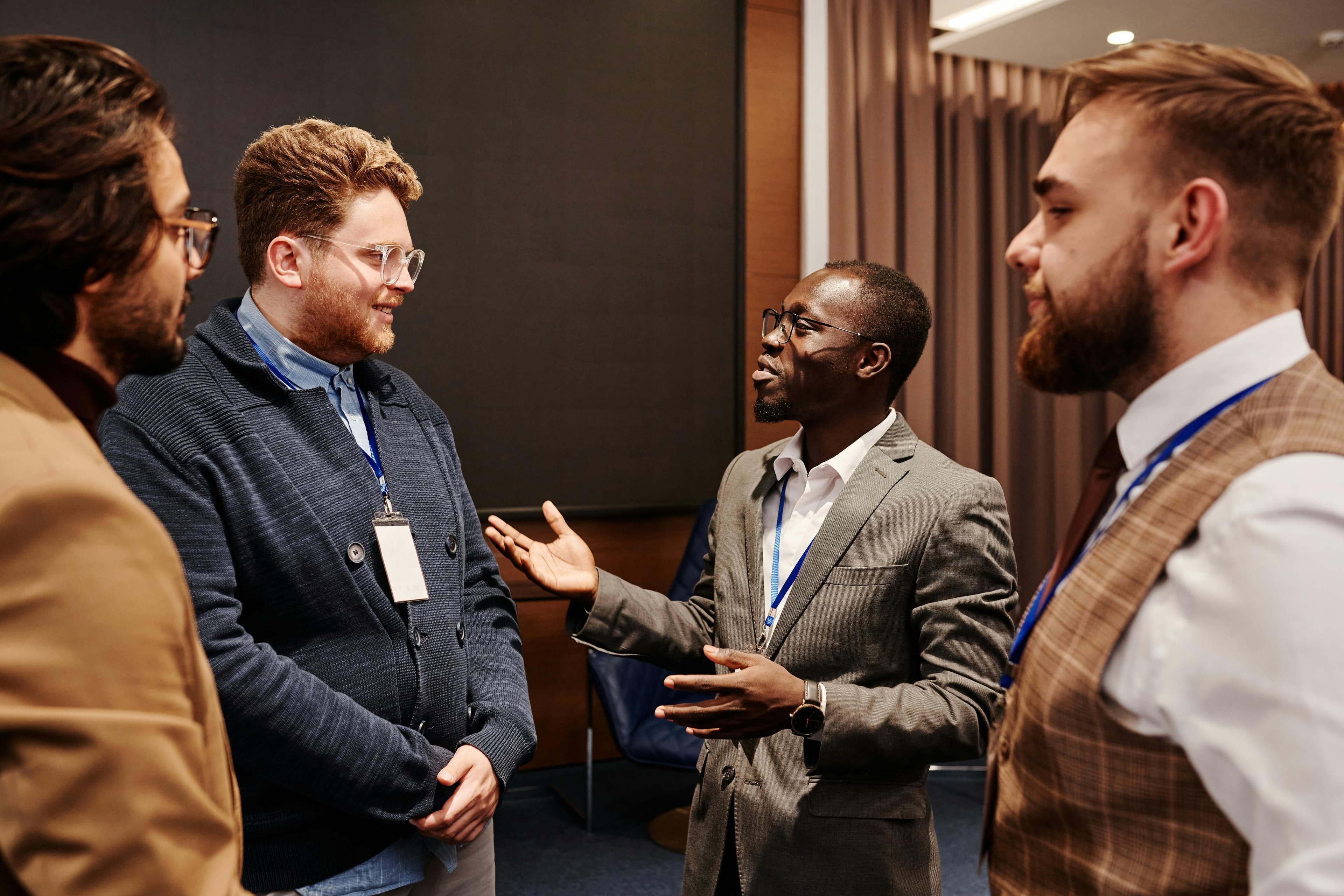
Networking goes beyond just meeting people and exchanging contacts. It is the process of building and maintaining professional relationships that will benefit both parties with knowledge, opportunities, and information.
And what does networking mean? Networking comes from the word "network", which means "network of contacts" or "network of relationships" in English. Thus, we understand that the main objective of this process is to create and maintain a network of connections between individuals.
Starting Conversations to Break the Ice

1. Find common interests
Don't be the person who wants to come in with a bang, addressing very direct or professional topics. This can make your interaction seem forced or impolite, distancing the person you want to talk to.
Instead, start with questions or statements about common interests. Here are some examples:
- "It's been a while since I had a good risotto."
It's not difficult to start a connection by talking about food. So, if there's something tasty (or not), commenting on it can be a good idea to start an organic conversation. If the interaction continues with a good vibe, you can naturally evolve the conversation.
- Trending topic
Although this topic is not so relevant to your connection itself, people are always following some trending topic. But it takes some wisdom to know what kind of topics to address, and this will depend on your own discernment of the situation.
At first, it is advisable to avoid politics and religion and bring something lighter that causes laughter. You can know what the trending topics are on social media (Instagram, TikTok, X) or on news pages.
- "I struggled, but I made it, whew. What a difficult traffic."
If you're reading this article, you probably live in a big city that has traffic problems. This can be a great conversation starter, and you'll quickly find something to complain about together.
Before you know it, this conversation has naturally evolved into something more interesting.
2. Starting deeper conversations
After finding a good connection, you can start to deepen things and naturally steer the conversation. This is the ideal time to get to know the person you're talking to better.
Don't conduct a boring interrogation, wanting to know everything about them right away. Instead, start with some of these options.
- And what do you do?
This seems like a natural path for a conversation at a networking event, after talking about 2 or 3 trivial topics. With this question, study the response of the person you're interacting with. If they are engaged, they will probably open up about their market or profession, deepening the conversation.
It's wise for you to also share about yourself so that the interaction is a genuine exchange between the parties.
- First time at the RD Summit?
Don't limit yourself to just questions and answers about your new connection's position or company. Ask what they think of the event, if it's been worthwhile. Ask if they've been to past editions and what they learned the most.
Did you notice? From a single topic, you can generate several other subjects, besides those that will naturally arise with the answers.
Remember to read the other person's level of interest and keep the conversation flowing. The dialogue should never feel like an interview.
3. Steer the conversation towards your networking goal

Now you've found a good connection who is engaged and interested in continuing a conversation with you. You've delved into professional topics, shared some laughs, and identified common interests. Whether you're trying to recruit, find collaboration, or explore other opportunities, you can now steer the conversation.
Here's how:
- Explore Collaboration: "I really enjoyed our conversation about this. I think we could do something great together. What do you think about trying a partnership project?"
If you noticed that this person has ideas or skills that complement yours, it's a good opportunity to suggest a partnership. Be direct and show enthusiasm about what you can build together. This creates an atmosphere of excitement and values the other person's contribution.
- Recruitment/Professional Partnership: "I'm looking for someone with skills like yours. How's your availability? Can we talk more about this?"
Show that you already have something concrete in mind and that you value what they can offer. Be sensitive to notice if the person is satisfied with their current situation or open to new opportunities.
- Explore Sales Opportunities: "It's interesting you mention that! I went through something similar 5 years ago and now I work precisely with that. I think I can help you."
Your main goal may be to identify potential clients or sell a product/service. The good news is that by showing genuine interest and identifying a need, you can create a sales opportunity.
Present yourself as consultative, without pushing the product on your connection. Talk about the problems your product/service solves and how it will help them. Use MonoIA to automatically capture their contact information and increase your chances of closing deals post-event.
Use these examples to visualize the goals you can have when conducting a networking interaction. Adapt them to your speaking style and personality.
4. Maintain the connection: don't let it die
All the effort is pointless if you don't continue nurturing the connections made.
Organize the contacts and opportunities identified during the event. After it ends, the real networking work begins. After all, the main goal of this process is to create and maintain a network of connections.
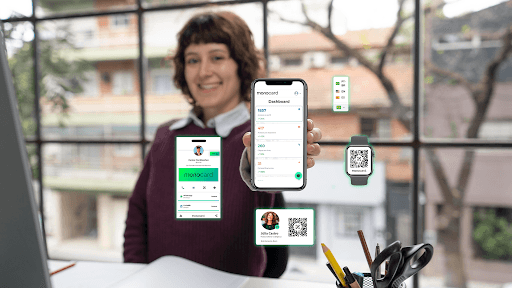
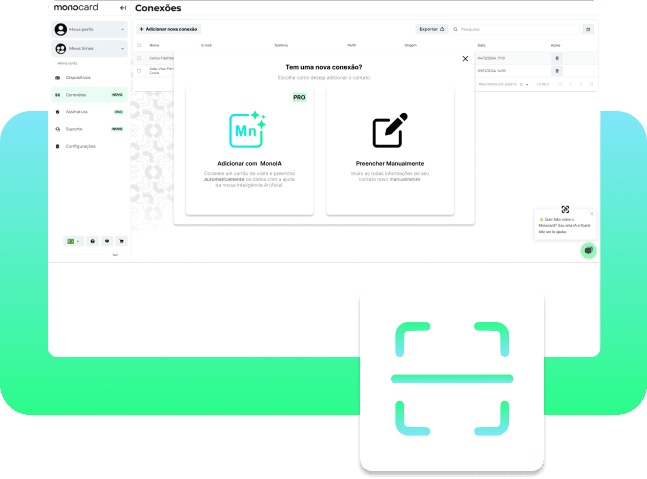
If you don't want to worry about organizing all the connections, leave this work to Monocard. With our lead capture solutions, you can gather all the contacts from an event in one place automatically.
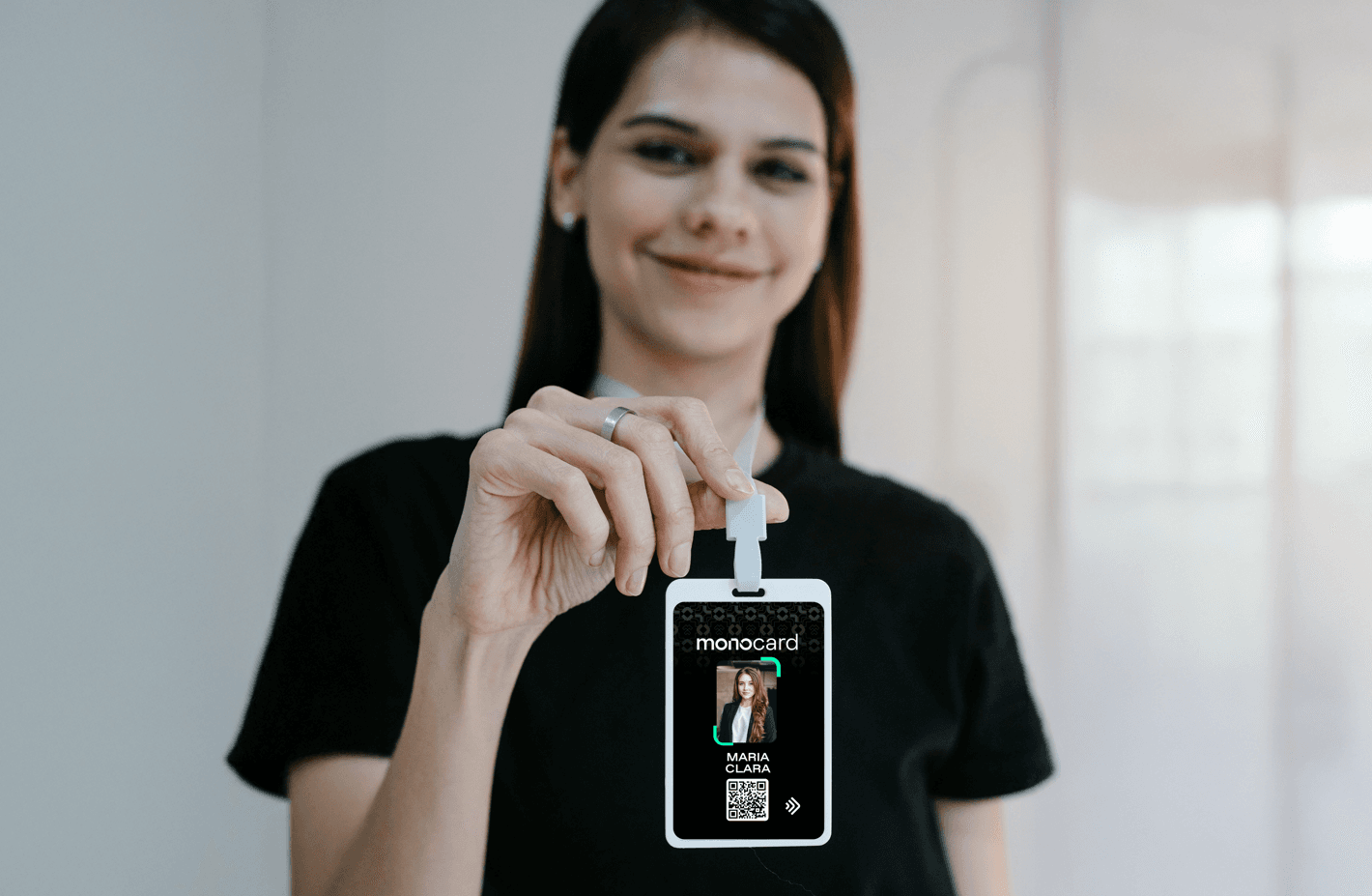
You can use MonoIA to read badges and business cards, or, if you prefer, your connection can fill out a quick form with contact details.
Want everything organized automatically at the end of the event, without much work? Click here to create your virtual business card and access these tools.
What not to do in a networking session?
Clearly, even in the relaxed, humorous, and hospitable Brazilian culture, there are things to avoid when it comes to networking. We'll call these negative practices.
- Humor works, but be wise with jokes
Everyone loves to laugh, but humor is subjective. Be careful with the types of jokes and quips you might make during a conversation. Read the room and (especially) the person you're interacting with. A poorly made or offensive joke can harm your connection.
- Avoid self-deprecation
We tend to self-deprecate when we're nervous or trying to be friendly in a new environment. But self-deprecation can weaken your image, making you seem less confident. Additionally, it can make the other person feel obliged to compliment you, creating an uncomfortable atmosphere.
- Don't just talk and ask questions
Networking is an exchange. It's not an interrogation. Talk about yourself, politely, in the same proportion that the other person talks about themselves.
Listen, but also share. Share, but also listen.
Don't make it seem like an interview; get the information you want subtly.
Other useful networking tips

Having your conversation starters is a great beginning. Here are other things to keep in mind for other aspects of networking events.
- Body language
Body language is essential for making a good impression, but how to take care of it?
The first step is to develop self-awareness: what habits of yours might be negatively impacting your image?
For example, do you tend to seem distant? Avoid eye contact? How's your posture? Identify one or two points that can be improved and start there!
If you're having trouble noticing these behaviors, ask for feedback from close people. They can point out attitudes you might not even notice but that affect your image.
A common body language mistake is crossing your arms or being fidgety. Correcting these small gestures can make a big difference in how others perceive you.
- Have a business card on hand
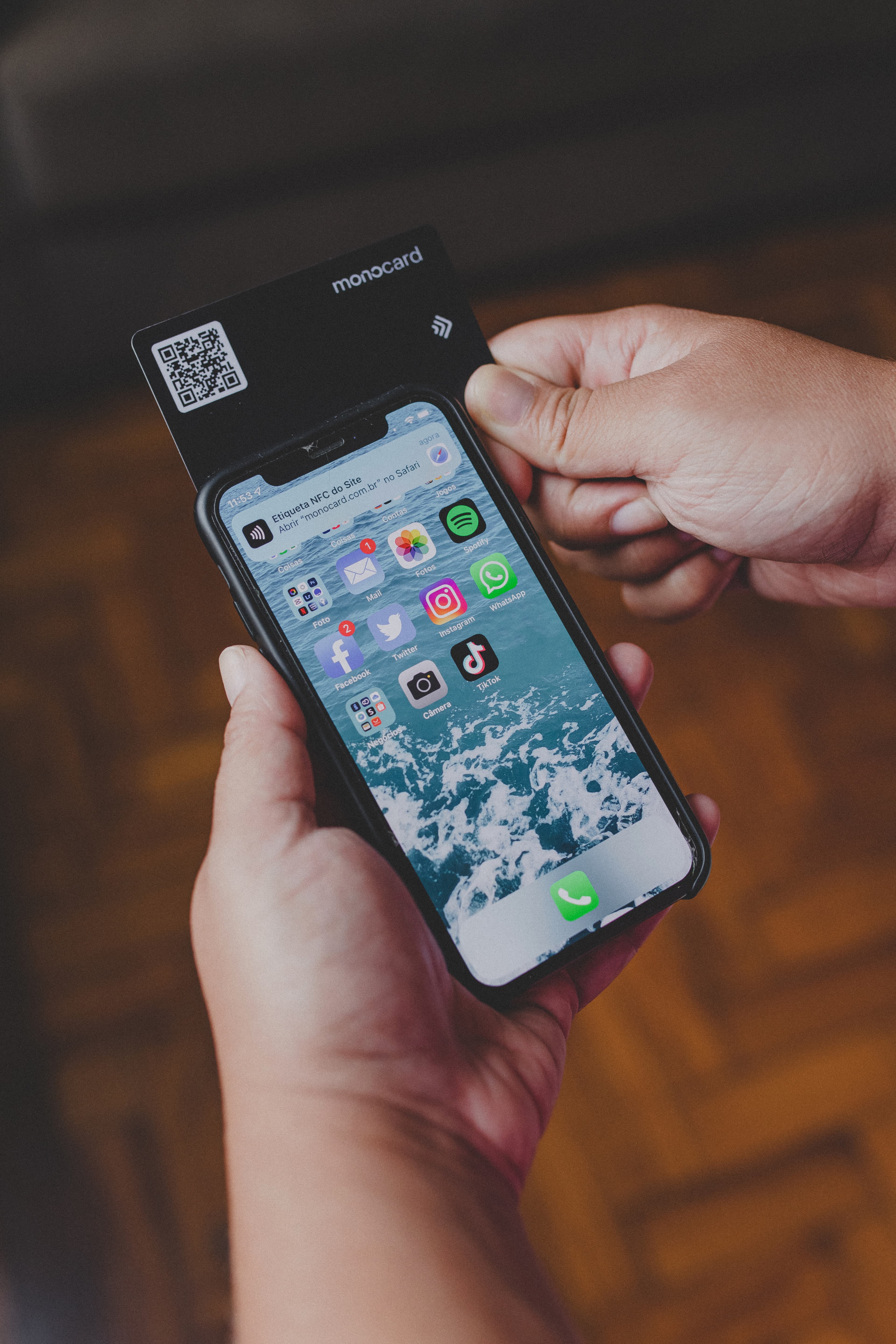
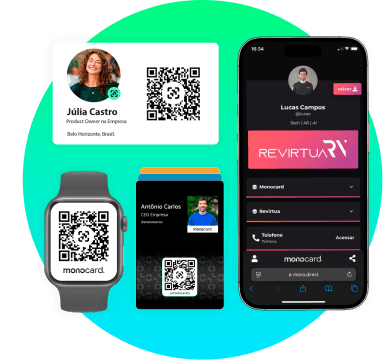
It's a mistake to think that business cards are out of fashion. With the digital business card, connecting at networking events has never been so practical.
After a day full of meetings, no one wants to waste time hunting for contacts randomly noted on their phone.
With Monocard, this delay doesn't exist. Just scan your connection's badge or business card with MonoIA, and the information will be captured automatically. If you prefer, your connection can fill out a quick form with contact details.

At the end of the event, you'll have all the contacts organized in one place, accessible in a few clicks on your phone.
Moreover, with Monocard, you can customize your business card, highlight the most relevant information, and add it to your Apple Wallet or Google Wallet.
What are you waiting for to create your own virtual business card? Click here to create your digital profile for free and take your networking to another level.
- Step out of your comfort zone
It seems tempting to stay close only to people you know and not try bolder connections outside your bubble. However, it's not in comfort that you'll achieve your goals.
If you tend to avoid chats or questions, make it a personal goal. This is how you can increase your chances of getting those connections and opportunities you wouldn't reach otherwise.
Make a conscious effort to step out of your bubble. It will be rewarding!
So? Ready to network?
The secret is to be serious enough to appear trustworthy and professional. However, don't overdo the formalities. Networking should be approached with the same lightness you approach a new friendship in casual contexts.
Don't dive headfirst into the topics you want to address right from the start. As we showed in the article, the ideal is to first create a comfortable atmosphere and gradually steer the conversation towards something deeper. This way, it's easier to move towards interesting and enriching dialogues.
If the connection was good, arrange to continue the conversation later and ensure you exchanged contacts to keep communicating.
Use Monocard to manage the new connections made at the event and create your own digital business card.
Now you are more than ready to break the ice and have successful networking sessions!
Create my free virtual business card