The business cards have been a fundamental part of personal and corporate branding for centuries. They not only provide contact information but also establish credibility and create lasting connections.
In the digital age, this traditional tool has evolved to adapt to new communication and networking demands.
In this article, we will explore the fascinating history of business cards, from their aristocratic origins to their transformation into digital cards, which are now indispensable for modern professionals. Additionally, we will discuss historical curiosities and the importance of standing out in this competitive market.
Emergence of the first business cards
The first business cards appeared in France during the reign of Louis XIV as a symbol of social status. Aristocrats used these cards to present their position and influence. It was more than just a piece of paper — it was a reflection of prestige and power.
At the same time, in England, commercial cards were born, becoming prototypes of the modern card. They not only presented a merchant's name but also served as maps to guide consumers to their establishments. These cards represented a revolution in the marketing strategies of the time.
In the 19th century, with the advancement of lithography, the cards gained more sophisticated designs, including crests and refined ornaments. The French court established the use of cards as a rule of etiquette, a custom that soon spread to the middle class. These cards were delivered when announcing visits, symbolizing respect and formality.
The role of cards in society
Over time, business cards gained new functions and meanings. During the Victorian period in England, they were used to show social and economic status. By the 19th century, they became more elaborate, incorporating information about address, profession, and social affiliations, reflecting the growing desire to establish social and commercial connections.
The advancement of mass printing technology in the 20th century made cards accessible for small and large businesses. Companies began to personalize their cards with logos and details about products and services, consolidating them as essential tools for networking and promotion.
Today, the evolution continues with cards made from materials like PVC, acetate, and even digital versions, proving that this tool is versatile and indispensable in any era.
Curiosities about business cards around the world
- During the Victorian period, cards were so popular that there were specific etiquette manuals for guidance on their use.
- The oldest known business card, found in London, dates back to 1762 and belonged to Mr. Wedgwood, a renowned potter.
- In the Victorian era, women used cards for formal invitations, handwriting the time and place of social events.
- In the United States, the first known card was made for President John Adams in 1798, marking his political and social importance.
- In Asian cultures, such as in Japan, the exchange of business cards ("meishi kokan") is a formal ritual and considered an art form.
These examples show how cards transcend time and cultural boundaries, always adapting to the needs of each era.
The importance of standing out in the digital age
Today, 27 million business cards are printed daily, totaling about 10 billion per year. However, 88% of them are discarded in less than a week. This alarming statistic reflects the need for innovation to prevent your card from being just another in the pile.
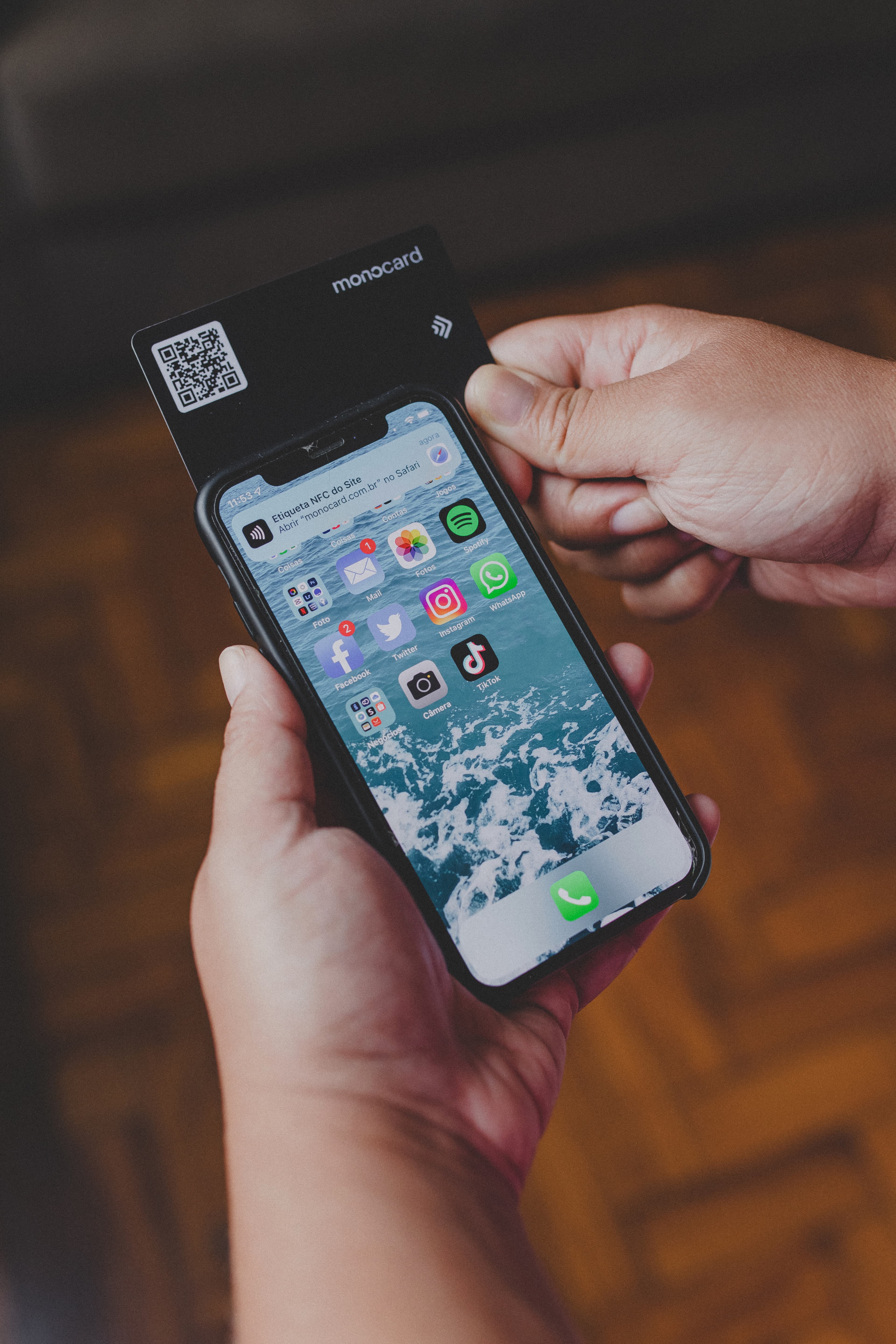
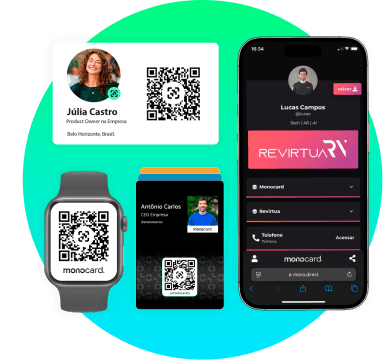
In the digital age, personalization and technology have become indispensable to ensure your card makes an impact. Digital cards, like Monocard, emerge as a modern and practical solution. Equipped with NFC and QR Code technology, they offer instant access to your information, whether for scheduling, social networks, or online portfolios.
This transformation is not just a trend; it is a response to the need for greater efficiency and connectivity in the business world.
Why choose Monocard?
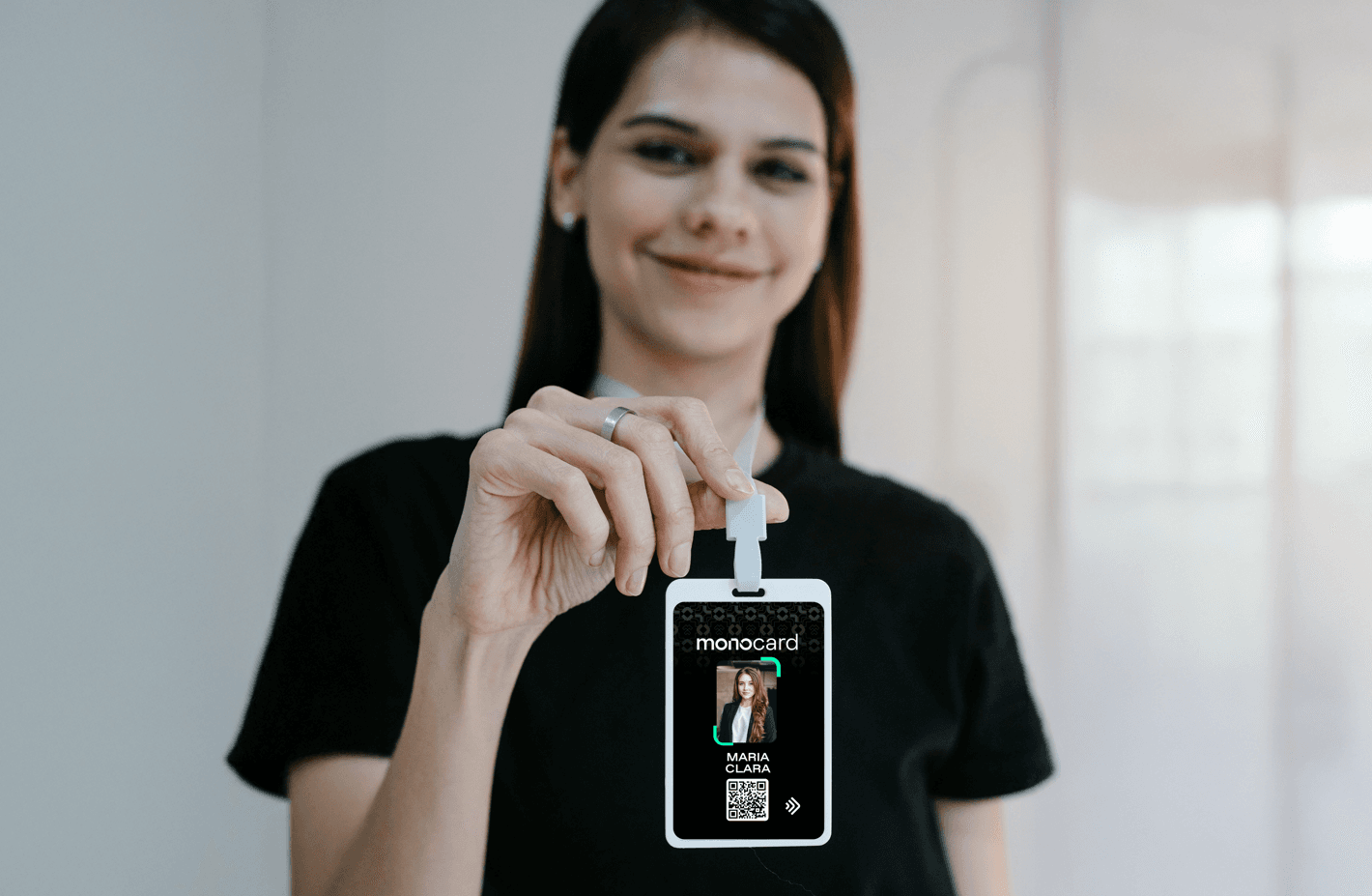
With Monocard, you stand out by combining tradition with innovation. This smart card allows your data to always be accessible, reducing paper waste and promoting your brand sustainably.
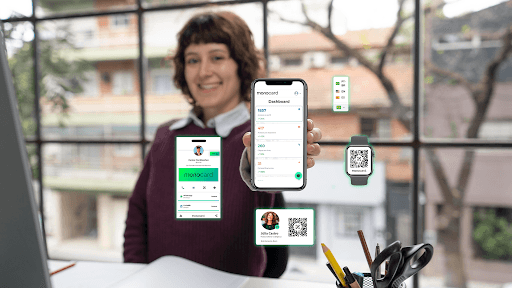
Moreover, the Monocard facilitates integration with digital tools and social networks, consolidating your online presence and making networking more efficient. In a competitive market, your clinic, company, or personal brand needs modern solutions that connect you to the client quickly and effectively.
Conclusion
From its emergence in French aristocracy to today's technological versions, business cards continue to be powerful tools for connection and branding. With digital evolution, it becomes essential to innovate to stand out in a saturated market.
Have you ever thought about how a digital business card can transform your approach?
Therefore, invest in smart and sustainable solutions like Monocard and always stay ahead.
Be innovative, sustainable, and unforgettable. Create your digital business card with Monocard and take your networking to another level!
Create your free digital business card