Did you know that a good first impression can be decisive for closing deals? A well-planned business card is the ideal tool to convey professionalism, strengthen your brand, and leave a positive mark on the client's memory.
In this comprehensive guide, you will discover everything about business cards: what they are, the different types available, how to create an irresistible design, and even the best strategies to use them effectively.
Whether to reinforce your in-person networking or invest in sustainable digital solutions, this article is the starting point to make an impact and generate results.
Shall we begin?
What is a business card and why is it essential?
The business card is more than just a piece of paper or a digital link. It is your summarized presentation, acting as a spokesperson that connects you to your client, partner, or supplier quickly and professionally.
The purpose of a business card
Its main objective is to facilitate the sharing of essential contact information, such as name, phone number, email, and relevant links. However, it goes beyond practicality by communicating professionalism, brand identity, and the intention to maintain contact.
Why is it essential?
- Lasting First Impression: A well-designed card immediately conveys the seriousness and care you have for your brand.
- Physical and Digital Connection: In a world where relationships can start offline and migrate to digital, it is the perfect bridge between these two universes.
- Practicality and Organization: Whether in physical or digital format, the business card keeps your contacts organized and accessible.
The business card, whether classic or innovative, is still one of the most powerful tools to reinforce your market presence and generate lasting connections.
What are the types of business cards?
Business cards have evolved significantly, offering options ranging from traditional to digital, adapting to the needs of each professional or business. Check out the main types and characteristics:
Physical business cards
Traditional models remain popular for their tangibility and immediate impact.
-
Traditional:
- Made of paper or plastic.
- Simple design and essential information.
- Ideal for those seeking a classic approach.
-
Creative:
- Uses special cuts, vibrant colors, or unusual materials (like wood or metal).
- Excellent for highlighting your brand in creative or innovative sectors.
-
Minimalist:
- Clean design focusing on the essentials.
- Ideal for professionals who prefer a modern and sophisticated aesthetic.
-
With Special Finishes:
- Includes spot varnish, embossing, gilding, or textures.
- Conveys a touch of luxury and exclusivity.
Digital business cards
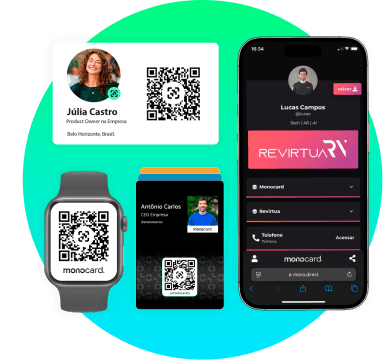
Digital business cards are the modern and sustainable alternative, designed for the connected world.
-
Quick Sharing:
-
Dynamic Personalization:
- Include clickable buttons for social media, phone calls, or email sending.
- Can be updated in real-time, without the need for reprinting.
-
Sustainability:
- Without paper use, they are an eco-friendly option aligned with current demands for sustainable business practices.
Business cards customized by function
Besides materials and technologies, cards can be customized for specific functions:
-
Foldable Cards:
- Offer more space for information, such as portfolios or maps.
-
Functional Cards:
- Incorporate elements like magnets or useful tools (such as rulers or openers).
- Useful in sectors like engineering, construction, or design.
Most common segments that use business cards
Business card for electricians

For electricians, making a good impression can be decisive for attracting and retaining clients. Thus, a business card is a symbol of professionalism and trust that conveys your identity to the public.
Business card for bricklayers

If you are a bricklayer and want to highlight your work in the market, a well-planned business card can be the perfect tool to win new clients and strengthen your credibility.
Business card for lawyers
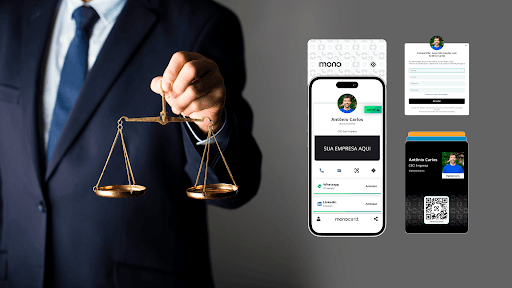
In the legal market, the way you connect with clients is as important as the services you offer. Therefore, the business card for lawyers is an extension of your brand and professionalism.
Business card for sales teams

The routine of commercial teams requires agility to win new clients. In this sense, a tool can be fundamental in this new way of prospecting, the business cards for commercial teams.
What is the best type for you?
The choice of the ideal business card depends on your area of expertise, objectives, and the impact you want to make. While physical cards highlight the traditional and tangible side, digital and hybrid ones offer innovation and practicality.
Investing in a card that combines design and functionality is the first step to making a memorable impression and strengthening your network.
How to create a perfect business card?
Creating a perfect business card requires attention to details that go beyond design. It is necessary to align aesthetics with functionality, conveying your brand clearly and memorably. Here are the essential steps:
Define the essential information
Include only the necessary information to facilitate contact and highlight your professional identity:
- Full name and position.
- Phone and email.
- Address (physical or digital, if relevant).
- Links to social media or professional website.
Avoid overloading the card with unnecessary data.
Choose a design aligned with your brand
The design should reflect the identity of your brand or area of expertise:
- Use colors, fonts, and logos that represent your business.
- For creative sectors, opt for innovative layouts; for traditional sectors, maintain a clean and professional look.
- Ensure that the design does not compromise the readability of the information.
Invest in the quality of material and printing
A low-quality card can harm the perception of your brand:
- Choose durable materials, such as premium paper or plastic.
- Consider finishes like spot varnish, embossing, or textures to give a special touch.
- In the case of digital cards, choose a reliable platform that ensures a good user experience.
Integrate modern technologies
Digital or hybrid business cards bring practical functionalities:
- Add QR Codes to access digital profiles, portfolios, or contact forms.
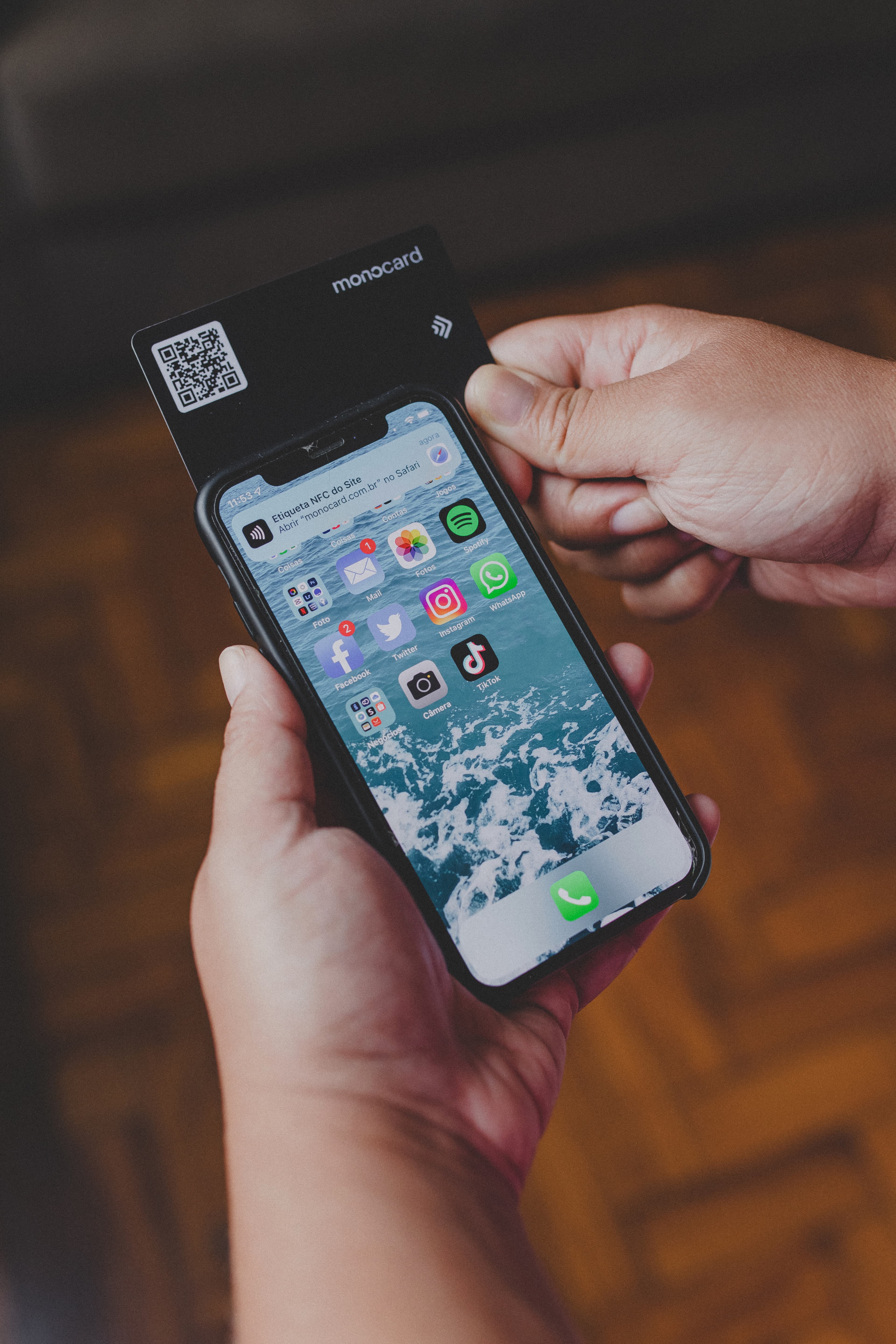
- Opt for NFC to facilitate the exchange of information quickly and innovatively.
Test and refine the design before distributing
Before producing or sharing your business card on a large scale:
- Ask for feedback from colleagues or friends about the clarity and impact of the design.
- Ensure that all information is correct and up-to-date.
A well-planned business card is much more than a piece of paper or a digital link; it is the gateway to lasting professional relationships. Invest in the details and ensure it is a true reflection of your brand.
Physical vs. digital: what is the best option for you?
Physical and digital business cards have distinct characteristics, and the choice between them depends on your priorities. However, when analyzing environmental impact and practicality, the data shows a clear trend towards digital models.
Physical business card: environmental impact
The production of physical cards has a significant cost to the environment. Here are some alarming data:
- 15 billion trees are cut down annually worldwide to meet the demand for paper, including business cards.
- Producing 1,000 business cards consumes about 7.5 kg of paper and can generate up to 5 kg of carbon emissions, considering printing and transportation processes.
- Most physical cards distributed at events or meetings are discarded within a week, contributing to waste accumulation.
Despite this, the physical card is still relevant in sectors where tangibility and tradition are valued.
Digital business card: sustainability and innovation
Digital cards eliminate the need for printing, bringing clear benefits:
- Zero impact on deforestation: without paper use, they help preserve natural resources.
- Waste reduction: there is no physical disposal, as digital cards are stored on mobile devices or accessed online.
- Real-time updates: avoids the need for reprints when information changes, further reducing environmental impact.
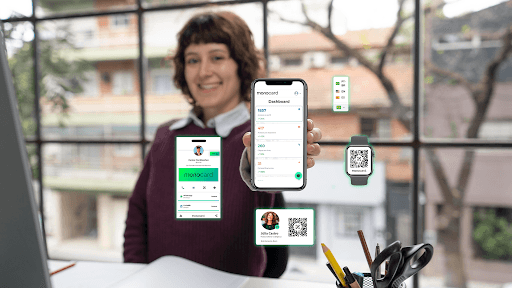
Moreover, the functionality of digital cards is superior: they can include interactive links, direct calls, portfolios, and even forms for lead capture.
With digital cards, you not only reduce environmental impact but also offer a modern and practical experience for those who receive your information. If sustainability is an important pillar for your business, the choice is clear.
Conclusion
Business cards, whether physical or digital, remain indispensable tools for professionals who want to make a good first impression and strengthen connections.
However, in a world increasingly focused on sustainability and innovation, digital cards offer undeniable advantages, from practicality to reducing environmental impact.
So why not take the next step? Want to innovate and adopt a modern solution? Try creating a digital card that combines functionality, sustainability, and attractive design.
Create your digital card now.