Engaging in networking activities as an introvert is a challenge for many professionals. Even if they are dedicated to their work and career, they can't help but dislike events, coffee breaks, or workshops.
Many of us have felt that nervousness or the urge to flee when someone says, "Shall we go to such and such event?"
But what if I told you that attending events and making connections doesn't have to be exhausting? With the right tools and strategies, you can turn this difficulty into a competitive advantage.
In this networking guide for introverts, learn how you can stand out by making connections and surpass your extroverted colleagues with simple strategies.
Introverted or Shy: What Are You Really?

First, ask yourself: am I introverted or just shy? There is a big difference between these two profiles, but common sense thinks it's the same thing. This happens due to the similarities between the two, and yes, they can be related. But this is not a rule.
Shyness stems from the fear and anxiety of interacting and being in social environments. These feelings are fueled by insecurity and fear of others' judgment about you.
Introversion, on the other hand, is more related to the natural personality tendencies of some people. According to the famous psychoanalyst Carl Gustav Jung, introverts gain energy from their inner world, more than from the outer world. This translates into things like preferring quiet environments, more intimate interactions, and less socialization.
In any case, introverts do not hate social interactions and are often even better than extroverts when it comes to connecting with people.
Now, if you are just shy, this can be overcome.
How to Overcome Shyness and Make Connections Without Fear

We can't say there is a perfect and quick recipe to overcome shyness that works for 100% of people. However, there are scientific concepts that, if applied, can make you a less shy person.
I am not a psychologist, but I have some advice based on neuroscience:
**Use **Exposure Therapy
This type of approach aims to gradually expose yourself to feared social situations. Studies show that exposure is very effective in reducing shyness and social anxiety, making you more comfortable over time.
The right thing is to stop avoiding situations you fear, as this only reinforces your shyness and anxiety in the brain. Whenever you feel relief from escaping these situations, your mind learns that avoidance is the solution, perpetuating the cycle.
So, put yourself in scenarios where you feel challenged, but not to the point of traumatizing your brain. Don't forget to celebrate your progress.
Take breaks to get some air
If at any point you feel overwhelmed and overstimulated by the environment, take breaks in more isolated areas. Spend a few minutes breathing, looking at the scenery, or walking a bit. This will help you stay light and mentally clear.
After that, return to interacting with others. Avoid isolating yourself for the entire event. As mentioned before, the more you run away, the harder it will be to overcome your shyness and social anxiety.
Manage your body language
Maintain a confident and approachable posture, even if you feel uncomfortable. This includes maintaining eye contact, smiling, and using open gestures.
Attend smaller, more niche events
Prefer smaller and more niche events, where it is easier to build meaningful connections. These events tend to be less crowded and allow for deeper interactions.
Use a digital business card as an icebreaker
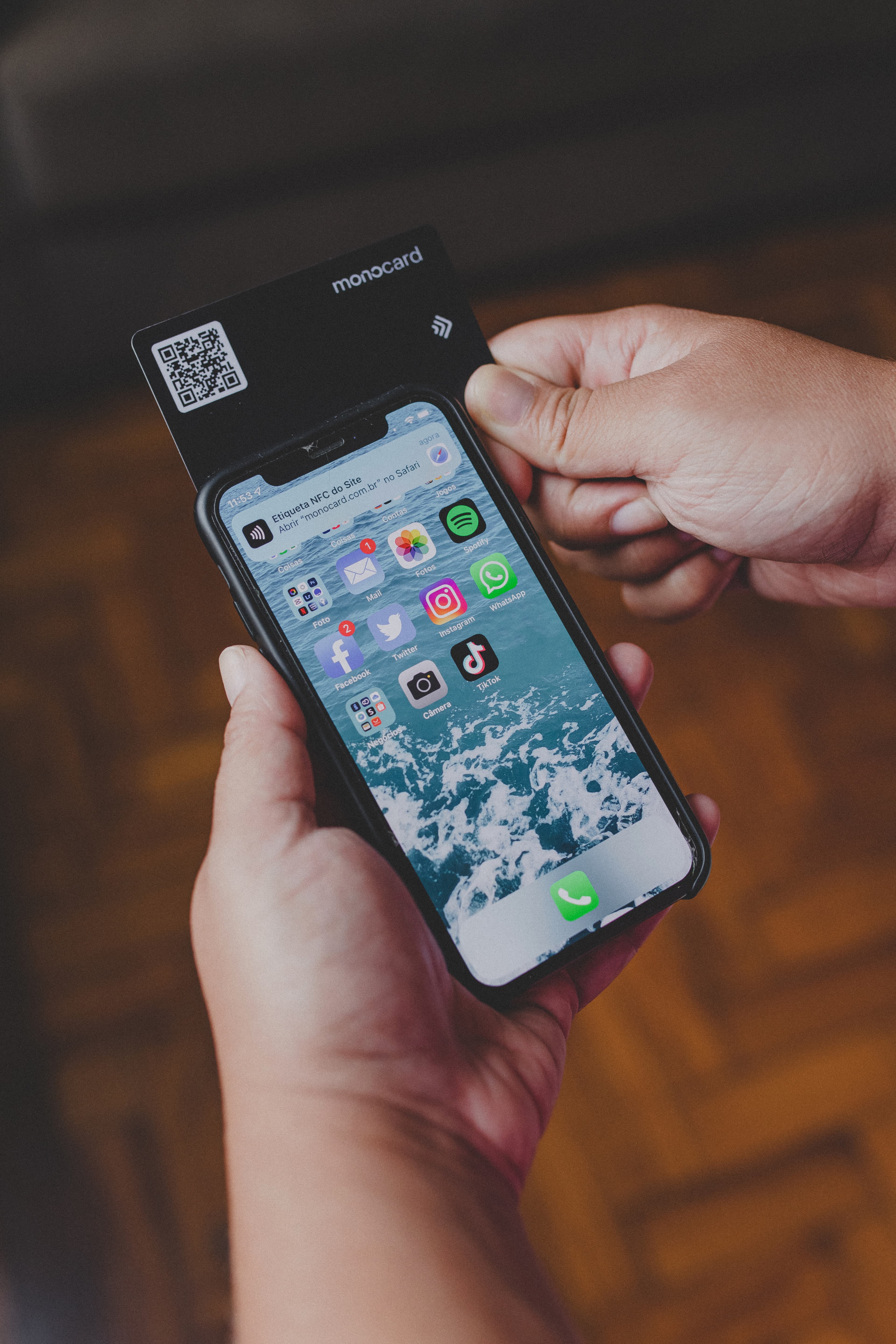
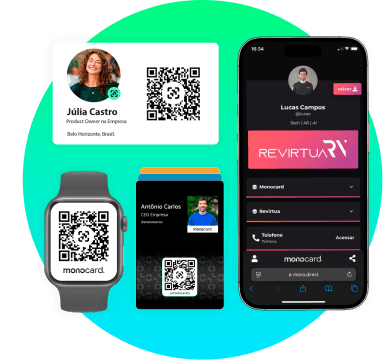
Utilize the modern and interactive design of the digital business card as a starting point for interesting conversations. With Monocard, you unlock a new way to connect. Besides sharing your data instantly, you can showcase your portfolio, videos, and important links, helping you break the ice. Use it to your advantage!
Prepare to Make Networking Easier
If you want to worry less at the event, be well-prepared. Here are some tips:
Do some prior research
Think about who will be at the event and research these people. This way, you can be more objective with your interactions and start your conversations prepared. Knowing something about someone beforehand, without seeming like a stalker, is something that will make you memorable to that person.
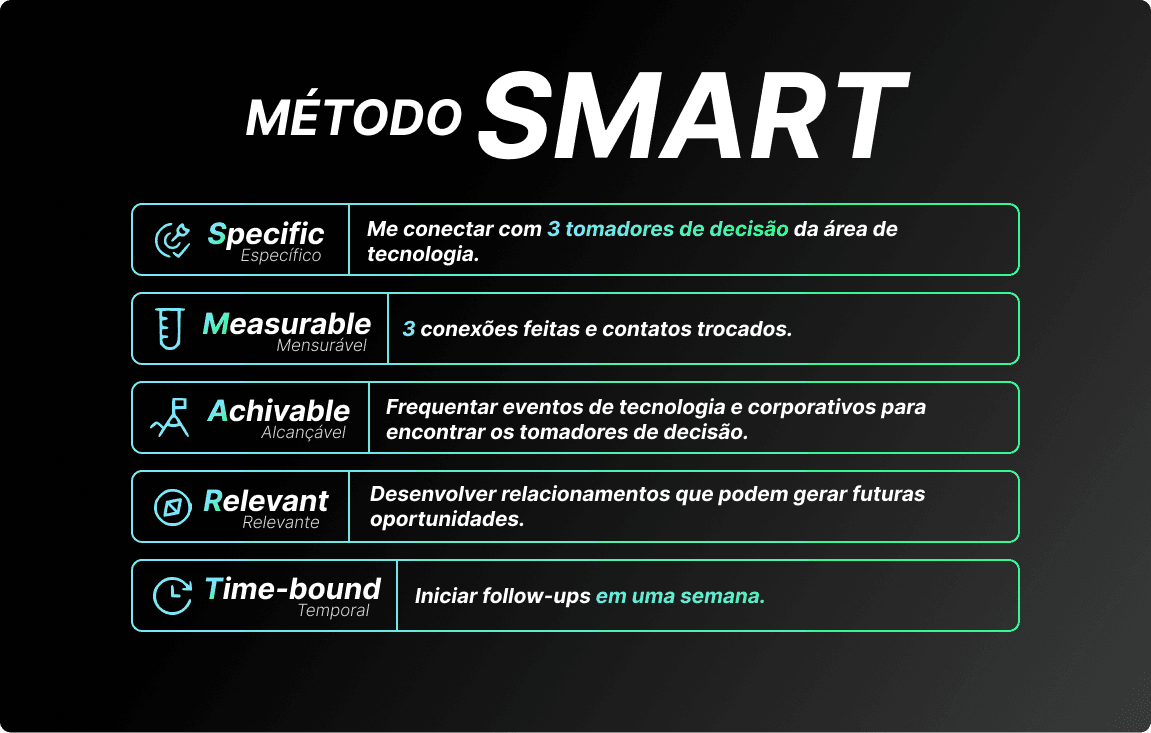
**Have clear goals, use the **SMART technique
With clear goals, you go straight to the point, without time to get lost and embarrassed. Use the SMART method to guide your goal setting.
Set specific goals that you can measure. Then, reflect on whether you can realistically achieve them. Ensure they are truly relevant and time-bound for that event.
Want an example? "I will connect with **3 decision-makers **in the technology field **by the end of the month**, exchanging contacts and **following up within a week**."
Prepare your business card
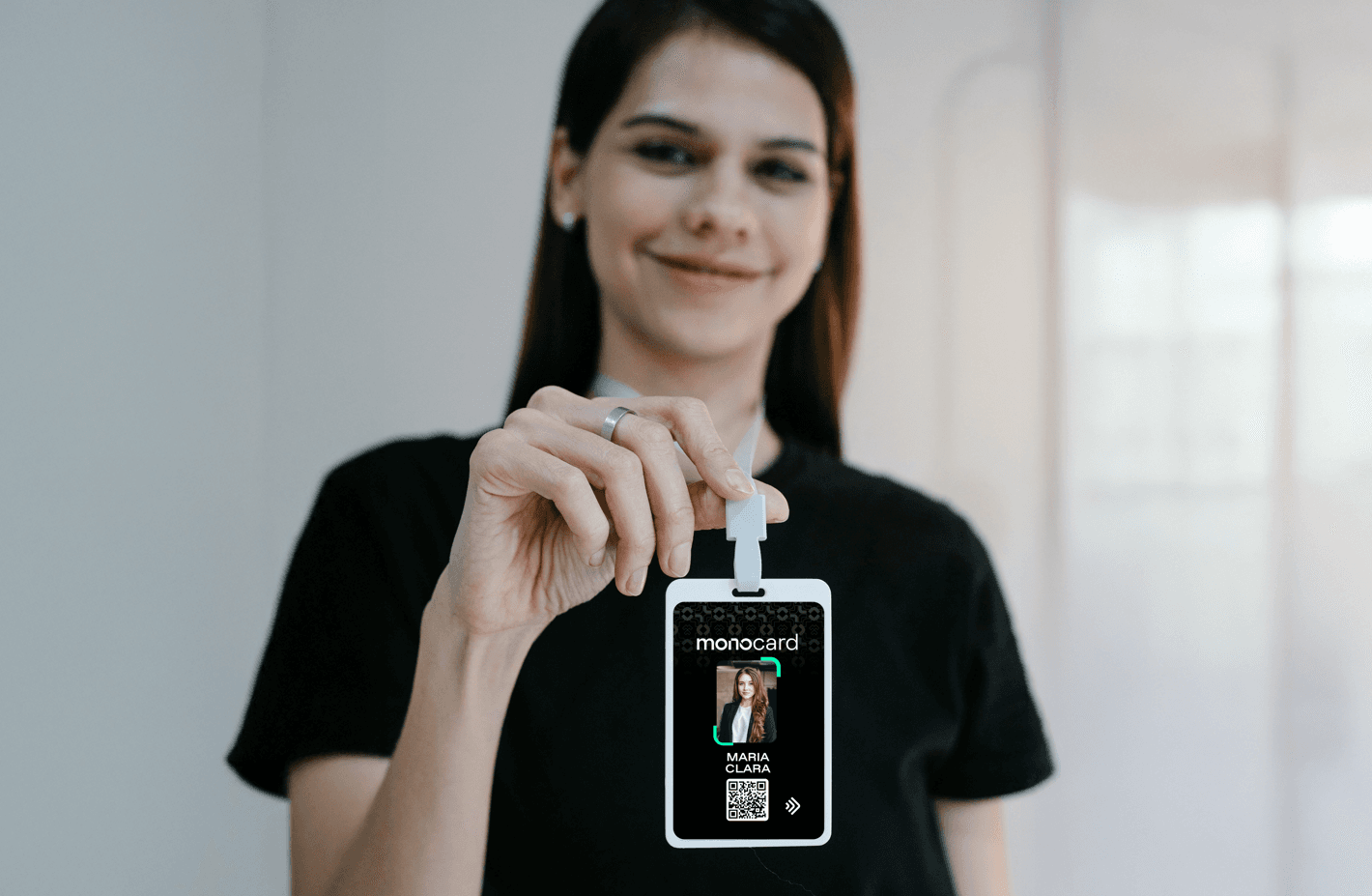
Having a good business card can already boost your confidence, and using a digital business card is even more advantageous.
First, you don't need to carry a stack of traditional cards, which can be uncomfortable. Second, a digital business card is more memorable and interactive.
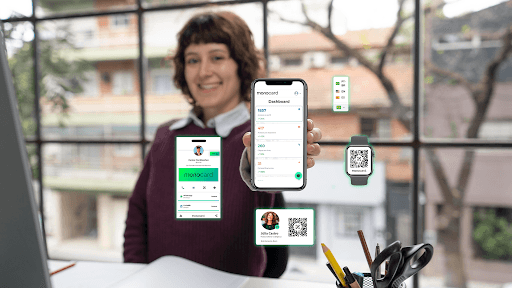
With the right tools like Monocard, you share your data quickly with whoever you're talking to. Additionally, you can collect data from your connections and follow up as soon as possible.
Using these strategies, I doubt your networking will continue to be exhausting and of little return. Create your digital business card for free and forever change your connections, click here!
Use Your Introverted Qualities to Stand Out in Networking

All behavior and personality styles have strengths and are useful for the corporate world. An extrovert may never connect with a reserved person like an introvert does and vice versa.
Therefore, use the best of your temperament to win potential clients, partnerships, or recruit people. Here's how to do it:
Quality conversations, not quantity
If you are an introverted person, you probably prefer deeper and well-paced conversations. This characteristic will help you have more meaningful interactions, rather than trying to make 1001 connections at once.
Thus, you increase your chances of obtaining concrete results and create lasting relationships with your connections.
The art of active listening
Introverts are generally good listeners. Therefore, make the other person feel appreciated and respected for being heard. Besides earning some points for being attentive, by letting the person speak more and first, you can gather relevant information. Then, you can judge if it's a conversation you want to continue and what about yourself you will reveal.
Introverts are natural observers
People with introversion are avid observers by nature. This skill is useful in situations where "people watching" helps to read people and create quick connections. Understanding people just by observing them leaves you much more prepared to have a conversation when the opportunity arises.
Therefore, don't forget to observe and use the analyzed points to your advantage. Move strategically, but without making it obvious and without losing naturalness.
Conclusion
Introverts can excel at anything they set out to do.
Excellent at networking, they can also stand out as lawyers, salespeople, doctors, or in any other profession. The secret is to overcome limiting beliefs about your profile and see your personality as a strength, not a weakness. After all, we all have strengths and weaknesses.
To simplify your networking and strengthen your qualities, try creating a digital business card for free. It's very simple and can transform your career. Click here to create yours!