Do the buildings you use daily already have access control via QR Code? Digital transformation has brought numerous innovations, and the QR Code, a simple and widely accessible technology, has been gaining more space in areas such as marketing, payments, and more recently, in building entrances.
Companies, events, and organizations have adopted QR Codes to replace traditional methods of credentialing and authentication, such as physical badges, passwords, and magnetic cards.
But, after all, how does QR Code access work, and why is it so effective? In this article, we explore everything from the basic functioning to the main advantages and practical applications of this technology in the daily lives of companies and events.
How does QR Code access work?
QR Code access is a process based on the generation and reading of two-dimensional codes that store information securely and quickly. This method involves a few simple but highly efficient steps to ensure that only authorized people have access to certain locations or services.
QR Code Generation
The first step is the creation of the QR Code, which can be unique for each user. This code is generated by specialized systems and contains information such as:
- User's name or identification;
- Date and time of validity;
- Specific permissions for restricted areas;
- Links or commands for integration with other systems.
This information is encrypted in the QR Code, ensuring security and privacy for the data.
Code Distribution
After generation, the QR Code is distributed to the user. This can be done through different means, such as:
- Sending via email or SMS;
- Sharing through mobile applications;
- Printing on documents or temporary badges;
- Integration with digital wallets (Google Wallet, Apple Wallet);
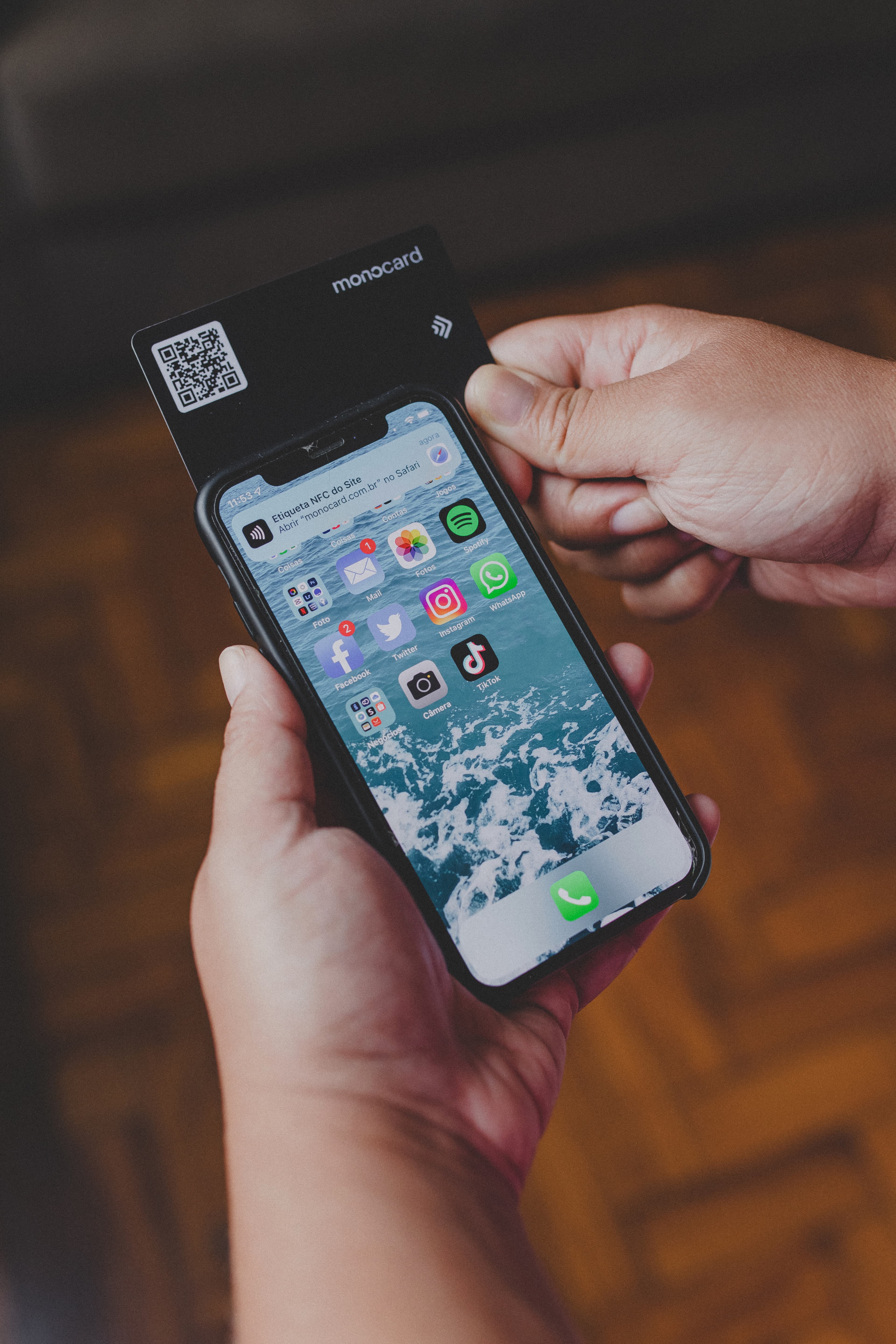
- Applications and physical business cards;
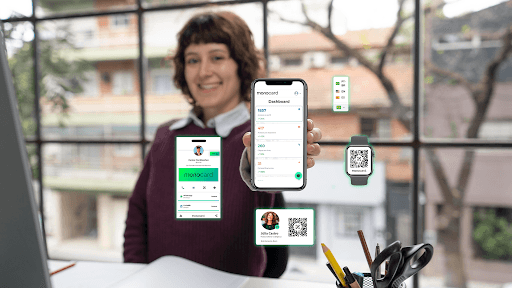
- Application on digital business cards.
This flexibility in delivery allows the QR Code to be adapted to various scenarios and user preferences.
Reading and Validation
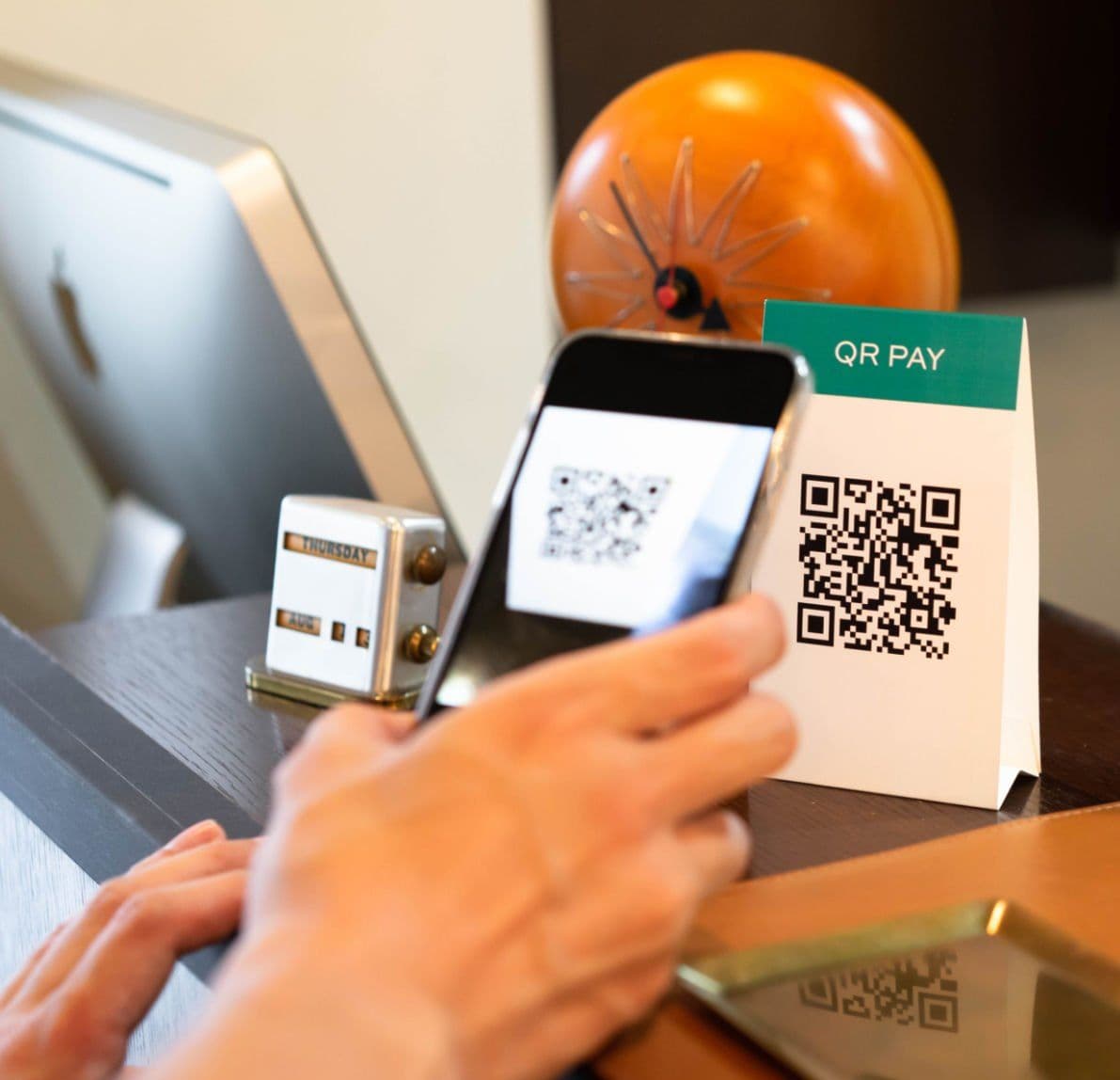
At the time of access, the user presents the QR Code to a reader or scanner, which can be a mobile device or specific equipment installed at the entry point. The system then performs real-time validation, checking if the code is active and if the permissions match the requested location or service.
If everything is in compliance, access is granted. Otherwise, the system may deny entry or trigger a security notification.
Why is the QR Code transforming access control?
The QR Code is a technology that combines simplicity and efficiency. Compared to traditional methods, such as passwords or magnetic cards, it offers several advantages:
Convenience and Speed
The process of scanning the QR Code is almost instantaneous, which reduces queues and speeds up the flow of people. Additionally, the user does not need to remember passwords or carry physical badges, as the code can be accessed directly on the phone.
Advanced Security
Each QR Code is unique and can be configured to expire after use or within a specific period. This significantly reduces the risk of fraud, such as card duplication or unauthorized access.
Integration with digital systems
QR Codes can be linked to CRM systems, databases, or access control platforms, allowing for centralized and efficient management. It is even possible to configure your digital business card with a QR Code and thus use it to control entries and exits.
Sustainability
The QR Code stands out as a solution aligned with sustainability practices, eliminating the dependence on physical materials such as plastic, paper, or ink. By opting for this technology, companies reduce waste, minimize waste generation, and contribute to environmental preservation.
Furthermore, digital implementation simplifies logistical processes, eliminating the need for large-scale transportation and production of cards or physical documents, making it a conscious and ecological choice for the future.
5 Main applications of QR Code in access control
QR Code access control can be used in a wide range of contexts, adapting to the specific needs of each business or event. Here are some of the main applications:
1. Events and trade shows
Event organizers use QR Codes to replace printed tickets. Each participant receives a unique code, which is scanned at the entrance to grant access. Additionally, the QR Code can include additional information, such as the event schedule or booth locations.
2. Corporate buildings and coworking spaces
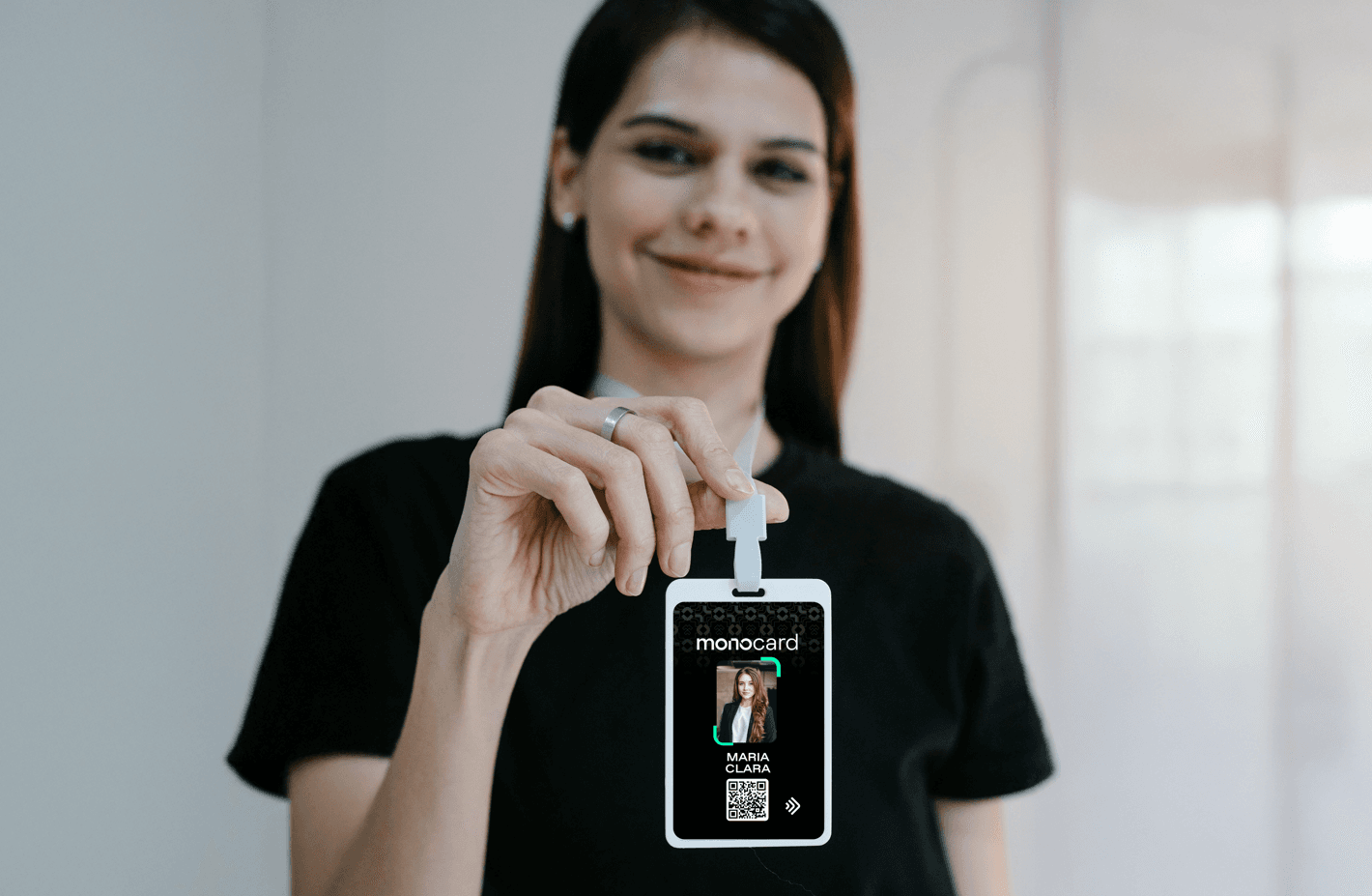
Modern companies are replacing physical badges with dynamic QR Code access control. These codes allow control over who can access certain floors or areas, ensuring greater security.
Internally, this tool has been used to grant access to rooms and spaces within buildings. Even refrigerators and vending machines have used QR Codes to enable sales within buildings.
3. Gyms and Clubs
For gym or club members, the QR Code serves as a practical and secure alternative for controlling entries. Additionally, it can be integrated with systems that record usage frequency or grant access to specific equipment.
It is also possible to attach the workout plan to the QR Code, so the release of equipment follows the order established by the personal trainer.
4. Parking lots
In parking lots, the QR Code can be used to enable vehicle entry and exit, offering a contactless experience integrated with digital payment systems.
This process ensures more security and brings peace of mind to the managers of these spaces, who add an extra level of security with QR Code access control.
5. Hotels and Accommodation
Many hotels are adopting QR Codes to replace physical room keys. The guest receives a digital code upon check-in, which can be used to unlock the room door and access exclusive areas.
How to adopt QR Code access control in your company?
If you want to implement QR Code access control in your company or event, follow these steps:
- Choose a reliable platform: Use a system that allows the generation and management of personalized QR Codes integrated into your workflow.
- Acquire compatible readers: Ensure that the reading devices, such as scanners or smartphones, are compatible with the chosen system.
- Test the integration: Before officially launching, conduct tests to ensure that the system works perfectly, including the generation, validation, and registration of accesses.
- Train your team: Ensure that everyone involved knows how to operate the system and troubleshoot potential issues.
- Monitor and optimize: Use system reports and analytics to identify improvements and ensure that access control is always efficient and secure.
Conclusion
QR Code access control has offered modern, practical, and secure solutions, whether in events, companies, or gyms. This technology has proven to be an indispensable ally for optimizing operations and improving the user experience.
Want to start experimenting with this technology for your company? Visit our QR Code generator and create yours.
Generate a Free QR Code