Lead generation is the crucial first step for the growth of any business, and having a well-structured sales funnel is key to turning this process into a conversion machine.
An effective funnel not only captures leads but also nurtures them and moves them through the right stages until the purchase decision. However, building a lead generation funnel is not a simple task — it requires a detailed understanding of your audience's needs, choosing the right tools, and strategic execution at each phase.
In this guide, we will explore the essential components for creating a robust and effective lead generation funnel. You will learn how to structure each of the three fundamental stages of the funnel: attraction, nurturing, and conversion, as well as proven strategies to maximize its efficiency.
What is a lead generation funnel
A lead generation funnel is the path taken by potential customers, from the first contact with your brand to conversion into an actual customer. It is divided into stages that reflect the lead's level of interest and engagement:
- Top of Funnel (ToFu): Attraction and awareness.
- Middle of Funnel (MoFu): Nurturing and evaluation.
- Bottom of Funnel (BoFu): Conversion and closing.
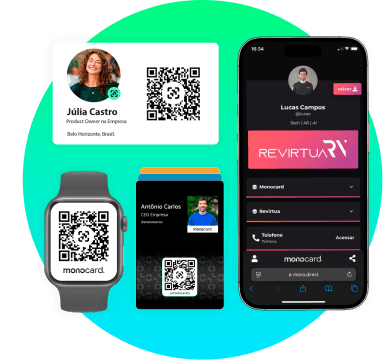
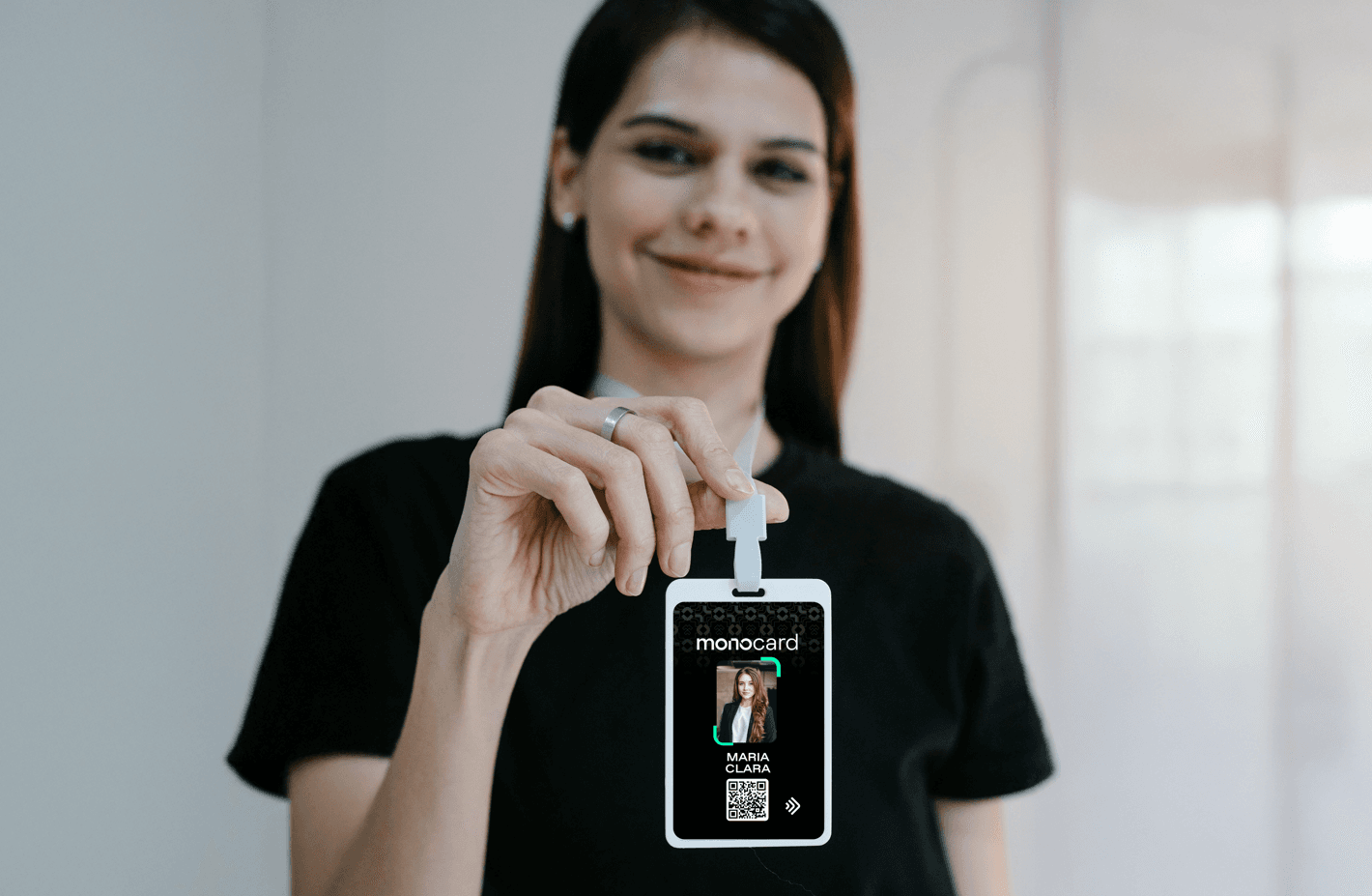
Each stage has a specific objective, and it is crucial that your marketing strategies align with the stage the lead is in. Monocard, for example, can be a powerful tool that fits into all these phases, from the first point of contact to closing the sale.
Step 1: Lead attraction at the top of the funnel
At this stage, the goal is to attract leads to your funnel. The main strategies include:
Content Marketing
Produce valuable content that answers questions, solves problems, and educates your audience. Examples of content to generate leads include blog articles, e-books, case studies, and explanatory videos.
Monocard Example: Use the digital card as a promotional tool during lectures, webinars, and online events, creating links to materials like e-books and articles. Additionally, share your content on social media directly through your digital card. Each click counts as a captured lead.
SEO (Search Engine Optimization)
Investing in SEO is essential to increase your visibility in search engines. Focusing on long-tail keywords can help attract a more segmented audience interested in your services.
Monocard Tip: Include links to your digital profile in content rich in keywords, such as blog posts or landing pages. This way, leads come to you not only through paid searches but also organically.
Online Ads
Platforms like Google Ads and Facebook Ads can be used to reach new audiences and increase traffic. Take advantage of targeting to reach specific personas who will benefit from your product.
Monocard Tip: In ad campaigns, use QR codes on banners and printed ads that direct directly to your digital card, making it easier to capture leads without barriers.
This functionality, combined with the platform's CRM integrations, forms a powerful tool for capturing and nurturing leads for your sales team.
Use of digital business cards
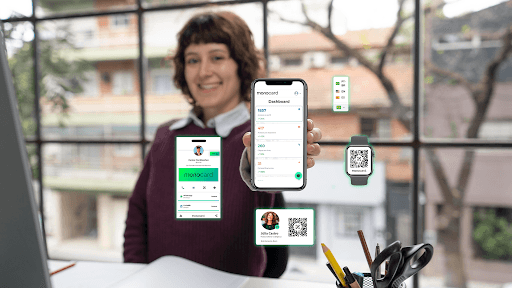
Another way to capture leads is through digital profiles created using online business cards. On the Monocard platform, for example, there is the Connections feature, which stores the contacts of those who interacted with your profile within the platform.
Step 2: Lead nurturing in the middle of the funnel
Now that you have leads, the next step is to nurture these contacts with relevant and qualified information, moving them to a position of greater engagement and more likely to convert.
Email Marketing
Segment your lead lists based on collected data. Send educational content, newsletters with industry updates, or special promotions. Personalize emails according to the lead's behavior, such as pages visited or previous interactions.
Monocard Example: You can use the digital card to promote links to exclusive content and other offers targeted to each lead's specific interests. The digital card can be updated in real-time, keeping leads always connected to the latest.
Webinars and Workshops
Offer free webinars or virtual workshops with experts in your niche. This helps strengthen the lead's trust and positions your brand as an authority.
Monocard Tip: By sharing your digital card after the webinar, you maintain contact and create new interaction opportunities. Additionally, you can add a button to schedule a consultation directly through your card.
Valuable Materials
Case studies, white papers, and product comparisons help educate leads, providing more context on how your solution can solve their problems.
Monocard Example: If you have materials like case studies, include them in your digital profile. This creates an interactive and dynamic experience, as the lead can directly access this content without leaving your digital card.
Step 3: Conversion at the bottom of the funnel
At this stage, leads are close to making a purchase decision. The focus now is to facilitate the conversion process by quickly answering questions and providing incentives for action.
Personalized Proposals
Offer proposals that meet the lead's specific needs, highlighting the benefits of your service compared to competitors.
Monocard Example: Use your digital card to send proposals directly to leads, with interactive links for more information on pricing, packages, or meeting scheduling.
Testimonials and Social Proof
Testimonials from satisfied customers, case studies, and data proving your product's results are essential to increase the lead's confidence.
Monocard Tip: Integrate customer testimonials into your digital profile, creating instant social proof. By clicking on your card, leads will have access to these testimonials, reinforcing your credibility.
Simple and Direct Process
Simplify the decision-making process. Include direct links for meeting scheduling or purchase completion.
Monocard Example: Use the digital card's links and buttons feature to schedule a meeting or direct the lead to a sales page. This eliminates barriers and accelerates conversion.
Online Ads
Using online ads at the bottom of the funnel is quite effective, and the communication should be aggressive, trying to convince the lead to choose your solution. In this sense, Monocard's integration tool with Google and Facebook ADS is a good option.
This is because, with this integration, leads who interact with the digital profiles of your organization's employees will be impacted by your ads, generating another point of contact and another conversion opportunity.
How to measure and optimize your lead generation funnel
Continuous measurement and optimization of the funnel are crucial to ensure your strategies are working. Some important metrics include:
- Conversion Rate: How many leads turn into customers at each stage of the funnel?
- Cost per Lead (CPL): How much are you spending to acquire a new lead?
- Retention Rate: How many leads remain engaged over time?
Monocard Tool: The data collected through your digital card, such as views and interactions with links, allows you to analyze your leads' behavior and adjust your approach to optimize conversion rates.
Conclusion
Creating an effective lead generation funnel is not just about attracting more customers but about building strong and lasting relationships. With it, you can segment the base by stage and send the correct communication at the right time to the lead.
By integrating tools like Monocard into your process, you not only optimize the customer journey but also offer a smoother and more personalized experience, facilitating each step until conversion.
Create a free profile for your company and experience all the benefits Monocard can offer.
Create a free digital business card