Although it may seem obvious, can you answer the question: what is a QR Code? They have become an indispensable tool in various strategies, as they can connect the physical to the digital, and their use has expanded to almost all sectors, from mobile payments to interactive marketing strategies.
However, they go beyond this connection, being used for everything from building access control to product tracking and the exchange of confidential information.
In this article, we will explore in detail what a QR Code is, its history, how it works, its anatomy, and how you can use it to boost your business or simplify daily life.
What is a QR Code?
QR Code, or ***Quick Response Code***** (Quick Response Code)**, is a type of two-dimensional code designed to store information compactly and accessibly. The main difference between a QR Code and traditional linear barcodes is its ability to contain a much larger amount of data, including URLs, texts, contacts, and even action commands, such as connecting to a Wi-Fi network or making payments.
A brief history of the QR Code
To understand what a QR Code is, we need to analyze the trajectory of this code. QR Codes have a curious origin, and understanding their trajectory helps to understand how they became so indispensable.
Beyond Barcodes
In the 1990s, the barcode was widely used in the industry, but its limitations were evident: it only stored information in a linear format, making it difficult to read at different angles. To solve this, the Japanese company Denso Wave developed the QR Code in 1994.
These codes quickly surpassed barcodes, and below we will bring some reasons why QR Codes became so popular.
Storage capacity
- Barcode: A traditional barcode can only store limited numerical or alphanumeric information, usually up to 20 characters. It was designed to identify products or categories, but not to transmit detailed data.
- QR Code: Can contain up to 7,000 alphanumeric characters or 4,000 characters in binary format. This makes it ideal for transmitting URLs, texts, contact information, and even specific commands.
Dimension and shape
- Barcode: Works in a linear dimension, meaning the information is stored in parallel bands of different thicknesses. This requires the code to be longer to contain more data, taking up more physical space.
- QR Code: Is two-dimensional, storing information both horizontally and vertically. This compact structure allows it to store more information in a smaller space.
Reading direction
- Barcode: To be read correctly, the scanner must be aligned horizontally with the code. This limits practicality and reading speed in dynamic environments.
- QR Code: Can be read in any orientation, thanks to positioning patterns that allow the reader to quickly identify its location and alignment.
Versatility of applications
- Barcode: Its use is mainly limited to tracking and identifying products, such as prices at cash registers or logistics in stocks.
- QR Code: Goes beyond simple identification. It is used to access links, make payments, connect to Wi-Fi networks, authenticate users, and much more. Its versatility has made it indispensable in areas such as marketing, technology, and security.
The QR Code becomes open source
In an unexpected decision, Denso Wave, the company responsible for the creation of the QR Code, chose not to patent the technology. This choice transformed the QR Code into an open-source resource, allowing anyone or organization to use it freely, without licensing costs.
This openness was fundamental for its global dissemination, as it eliminated entry barriers and encouraged creativity and innovation in various sectors. As a result, the QR Code not only established itself as a standard solution in the industry but also became an indispensable tool in areas such as marketing, digital payments, education, and access control.
The decision to make the QR Code accessible to everyone not only expanded its use but also solidified its relevance as a universal technology, adaptable to the needs of an increasingly digitized world.
2002: the first mobile QR Code readers
The year 2002 marked an important advance in the history of QR Codes, with the launch of the first cell phones equipped with integrated QR readers in Japan. This innovation facilitated access to technology for ordinary consumers, triggering a significant increase in the use of QR Codes by companies and in the development of codes aimed at the end public.
The evolution did not stop there. In 2004, the micro QR Code was introduced, a compact version ideal for smaller surfaces, such as hardware parts and electronic devices.
In 2008, the iQR Code was born, which brought a configuration of rectangular modules, further increasing its flexibility in different applications. During this period, the smartphone revolution also began to gain momentum, with the launch of the first iPhone. Although QR Code readers were not native to this initial device, its global popularization accelerated the mass use of this technology.
The anatomy of a QR Code
The QR Code may seem like just a set of squares, but its structure is highly functional. Let's uncover the elements that make it so efficient:
- Position Locators
The three large squares in the corners of the QR Code help devices identify its location, orientation, and size, ensuring accurate reading. - Quiet Zone
The white area around the code prevents interference and facilitates visual identification by the reader. - Synchronization Patterns
Lines connecting the locators allow the QR Code to be read correctly, even if it is at different angles or slightly tilted. - Encoded Data
Here is the content of the QR Code: URLs, numbers, texts, or any other information. - Error Correction
This feature allows up to 30% of the QR Code to be damaged or covered without compromising reading, making it resistant in adverse environments.
How to Create a QR Code?
Creating a QR Code is simpler than it seems and can be done in a few minutes. Follow this detailed step-by-step:
- Choose a QR Code generator
Use reliable platforms like QR Code Generator, QR Code Monkey, Beaconstac or Monocard. - Define the type of Information
Choose what you want to store, such as a link, text, phone number, or even a Wi-Fi configuration. - Choose Between Static and Dynamic QR Code
- Static: Fixed information, ideal for data that does not change.
- Dynamic: Allows editing the content later, tracking scans, and accessing statistics.
- Customize the Design
Add colors, logos, or frames to align the QR Code with your brand's visual identity. - Test Before Using
Scan the code with different devices to ensure it works correctly. - Implement the Code
Insert the QR Code in printed materials, digital media, or packaging, depending on your strategy.
What Information Can QR Codes Store?
QR Codes are incredibly versatile and can contain:
- Links to websites, social networks, or landing pages;
- Contact data (name, phone, email);
- Locations on Google Maps;
- Wi-Fi configurations;
- Payments via Pix or digital platforms;
- Promotional messages or short texts.
What is the Importance of the QR Code?
The importance of the QR Code transcends its popularity; it has established itself as an essential strategic tool in an increasingly connected and digital world. With the ability to integrate the physical with the digital in a simple and efficient way, QR Codes meet various needs in sectors such as marketing, retail, health, education, and technology. Here are the reasons why they have become indispensable:
Immediate Connection
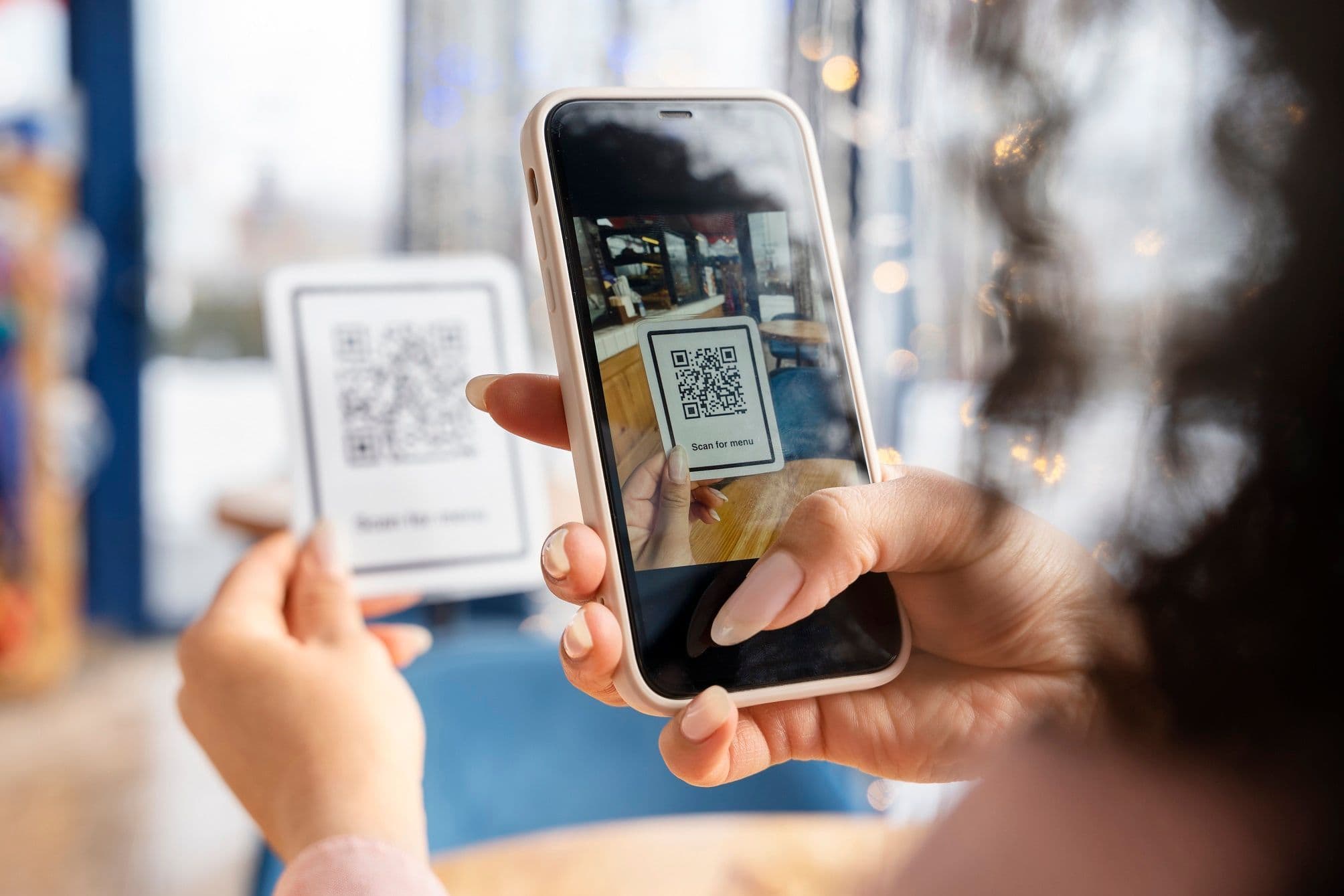
QR Codes eliminate the need for intermediate steps, such as typing URLs or information manually. With a simple scan, users can:
- Access websites or landing pages;
- Download apps;
- Make instant payments, like Pix in Brazil;
- Connect to Wi-Fi networks automatically.
This agility not only improves the user experience but also reduces access barriers, making interactions faster and more convenient.
Interactivity and Engagement
QR Codes transform static experiences into dynamic ones. For example:
- Marketing: They connect print campaigns to online content, such as promotional videos and discount coupons, offering an enriching experience to the consumer.
- Events: They can be used for registrations, check-ins, and even real-time interactive voting.
- Education: Teachers use them to direct students to support materials, quizzes, or explanatory videos, encouraging modern learning methods.
This versatility makes the QR Code a powerful tool for brands that want to create significant engagement with their audiences.
Sustainability and waste reduction
As a digital solution, the QR Code is an eco-friendly alternative to the use of physical materials. It helps companies save resources by replacing:
- Printed manuals with digital guides;
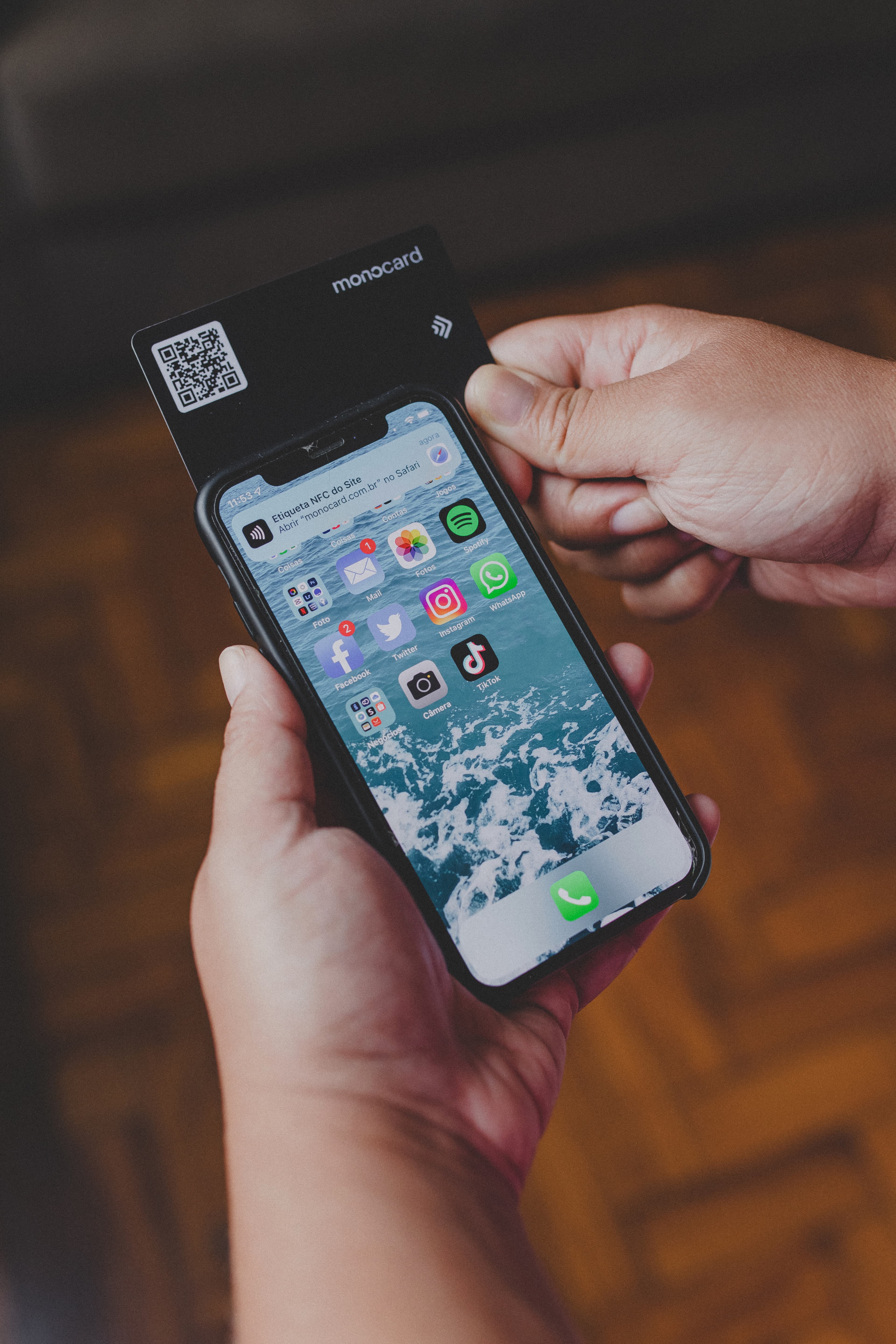
- Physical business cards with digital profiles (like those offered by Monocard);
- Flyers and physical menus with online versions accessible via QR Code.
By adopting QR Codes, companies contribute to more sustainable practices, reducing their carbon footprint and meeting consumers who are increasingly aware of environmental issues.
Scalability and flexibility
QR Codes are equally effective for small businesses and large corporations. Their implementation requires low cost and can be adapted to different needs, such as:
- Small Businesses: Create digital menus, share contacts, or receive payments.
- Large Corporations: Generate market insights by tracking scans and analyzing consumer behavior in real-time.
This scalability allows any organization, regardless of size, to take advantage of the benefits of QR Codes to optimize processes and increase efficiency.
Popular Uses of QR Codes
QR Codes are widely used in various industries. Here are some of the most popular cases:
- Digital Marketing
Direct consumers to online content, such as promotional videos or landing pages. - Electronic Payments
Facilitate secure and fast transactions, especially in apps like Pix and digital wallets. - Access Control
Replace physical badges and tickets at events, gyms, and companies to manage access control. - Education
Teachers can use them to share links to extra materials or interactive quizzes. - Product Tracking
Logistics companies use QR Codes to monitor shipments and stocks.
Frequently Asked Questions about what a QR Code is
1. Can a QR Code be customized?
Yes! Many generators allow adding colors, logos, and even frames to make them more attractive.
2. What is the difference between static and dynamic QR Code?
The static QR Code is a fixed and immutable solution. Once generated, it cannot be edited or changed. It is ideal for simple applications where the information contained in the code does not need to be updated.
On the other hand, the dynamic QR Code is a flexible and adaptable solution. It allows editing the content linked to the code without needing to generate a new QR Code. This flexibility makes it ideal for more advanced strategies.
3. Does a QR Code expire?
The QR Code itself does not expire, meaning reading will always be possible. However, the content stored in this code can expire, depending on the choice of the person who generated it. It is worth remembering that only the dynamic version allows the possibility of expiring.
4. Is an app necessary to scan QR Codes?
Yes, currently most smartphones already have this technology applied to cameras.
Conclusion
The QR Code is an accessible, powerful, and highly adaptable solution. Whether to engage customers, optimize operations, or modernize marketing strategies, it offers benefits that no company should ignore.
At Monocard, we use QR Codes to create unique experiences in our digital business cards, connecting you directly to your leads in a practical and innovative way. Want to try building your QR Code? Visit our QR Code generator and create yours.
Create my QR Code for free