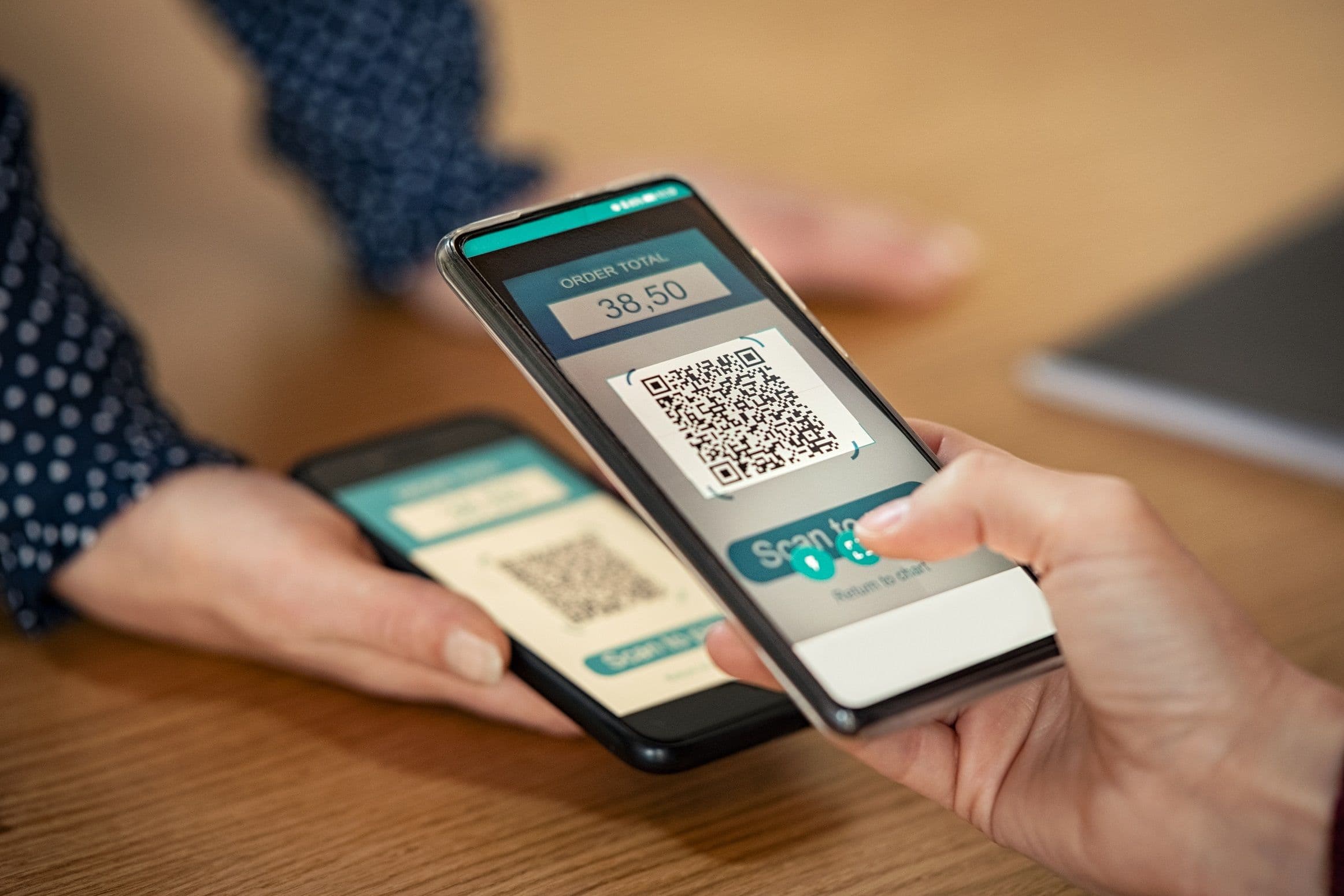
The QR Codes (Quick Response) have become an essential part of modern digital interaction, connecting the physical world to the virtual quickly and efficiently. But do you know all the types of QR Code that exist? Yes, there are different types, each with specific characteristics that serve various purposes.
Knowing these differences is crucial for choosing the most suitable option for each need and each business strategy.
In this article, we will explore the main types of QR codes, their functionalities, and how to apply them strategically in various contexts.
What are QR codes
Created in Japan in the 1990s, QR (Quick Response) codes store two-dimensional data in a pixel matrix, allowing quick access to information via mobile devices or specific scanners. With the advancement of technology, different variations of QR codes have emerged, each with its own characteristics.
Types of QR Codes
The main types of QR Code are: Model 1, Model 2, Micro QR Code, rMQR Code, SQRC, Fram QR. Next, we will explain each of them to you.
QR Code Model 1 and Model 2
Model 1 was the first QR code format created. It represented a significant advancement at the time, allowing data storage in a two-dimensional matrix.
However, the development of Model 2, an improved version, brought greater storage capacity, better error correction, and greater flexibility in layout. Thus, Model 2 became the current standard due to its efficiency and adaptability.
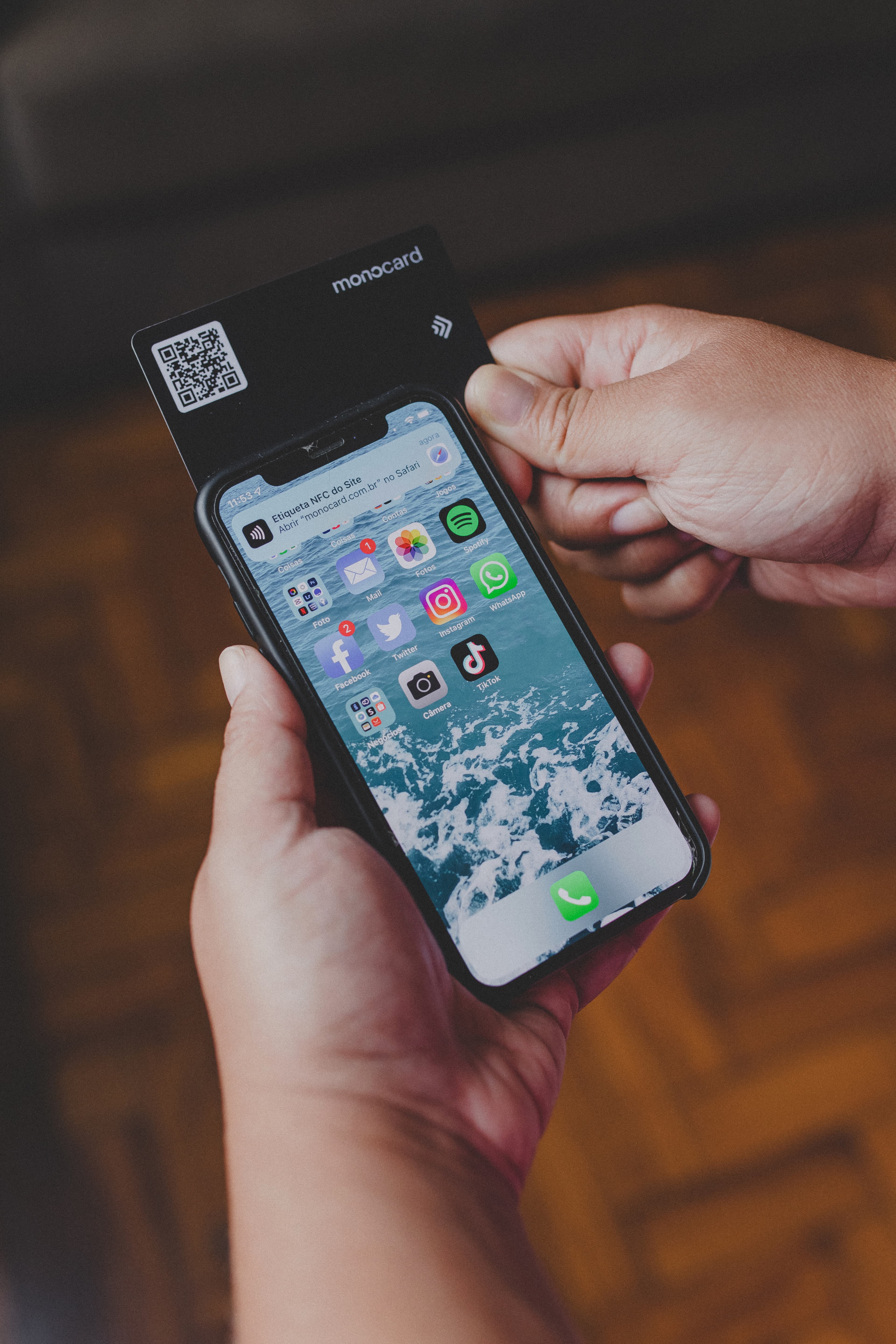
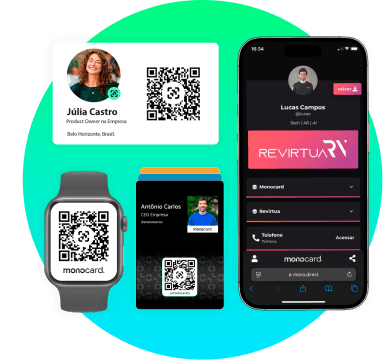
This format is widely used in advertising materials, such as banners and flyers, where URLs are embedded to redirect the audience to landing pages, digital profiles, or online stores. Additionally, it is the ideal choice for digital business cards and other cases where it is necessary to store fixed information, such as contact details or vCards.
Micro QR Code
With the advancement of miniaturization and the need to integrate QR Codes into increasingly smaller spaces, the Micro QR Code emerged. This compact version was designed to store small amounts of information, using less physical space without compromising functionality.
Its use is common in packaging of small products, where printing space is limited. In the logistics sector, for example, it is used on labels for product identification.
Similarly, in the IoT device area, it marks components with essential information for maintenance or tracking.
rMQR Code (Rectangular Micro QR)
The rMQR is an evolution of the Micro QR Code, introducing a rectangular matrix that expands flexibility for applications where the design or space layout does not accommodate traditional square shapes.
This innovation is especially useful in promotional materials and consumer electronics that require compact and discreet codes. Furthermore, the rMQR is an interesting solution for virtual business cards with horizontal design or printed materials that need to optimize space usage without losing the functionality of the QR code.
SQRC (Secure QR Code)
When security is a priority, the SQRC stands out. This type of QR code was designed to protect sensitive information, allowing only authorized or properly configured devices to access its content.
Its application is widely used in business and financial environments, such as access control to restricted systems, distribution of confidential information in digital or physical documents, and even in banking and financial transactions.
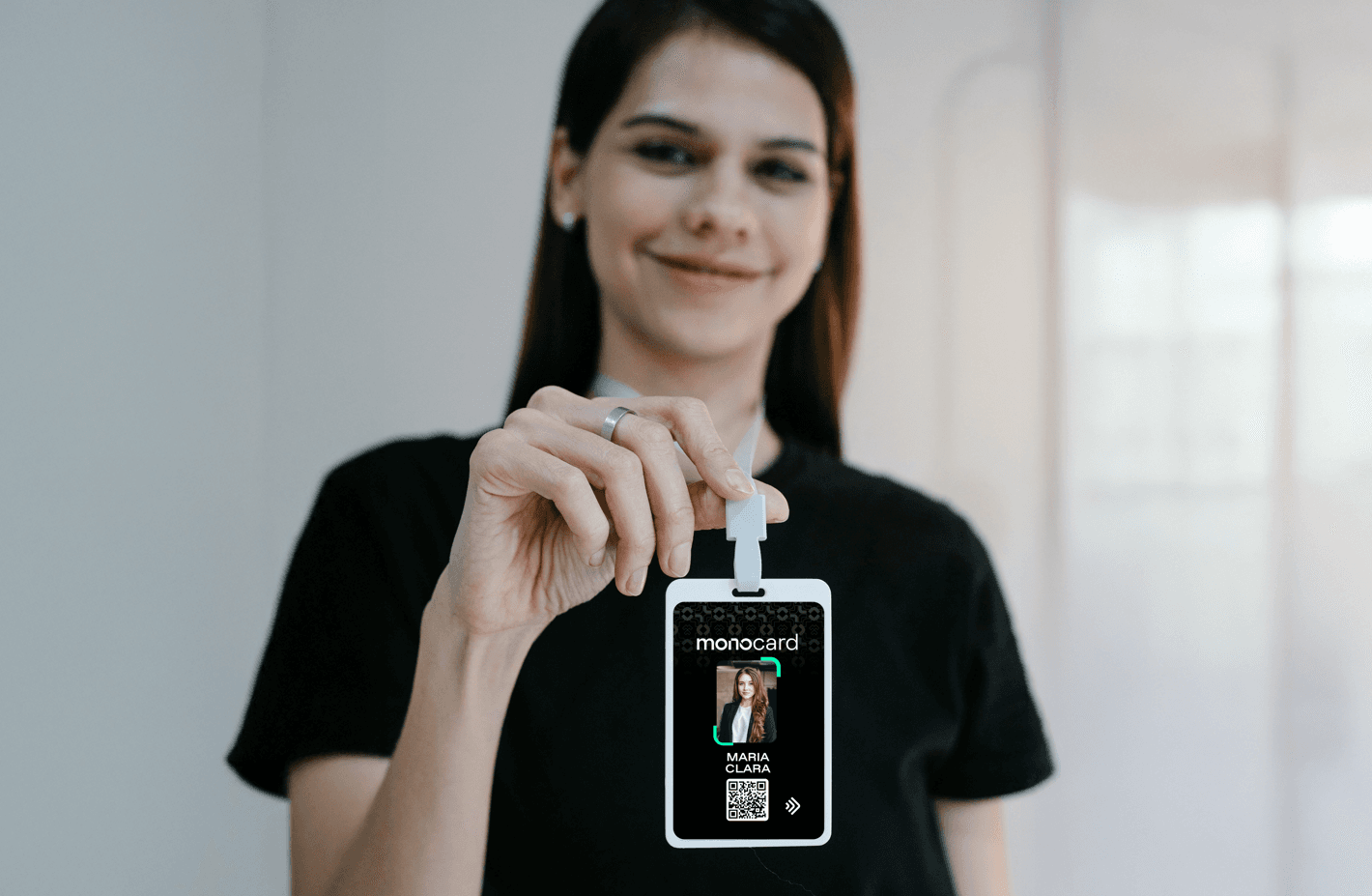
Events and conferences also benefit from the SQRC, using it to validate tickets or access credentials.
Frame QR Code
The Frame QR is a solution that combines functionality and aesthetics. It is distinguished by including a reserved area in the center, where texts, logos, or messages can be inserted, keeping personalization as a priority.
This feature makes the Frame QR especially effective for marketing campaigns that want to creatively reinforce branding. In addition to advertising campaigns, the Frame QR is ideal for digital business cards, where personalization is an important differentiator.
It is also widely used in promotional materials that require visual prominence, such as premium product packaging or point-of-sale advertisements.
Conclusion
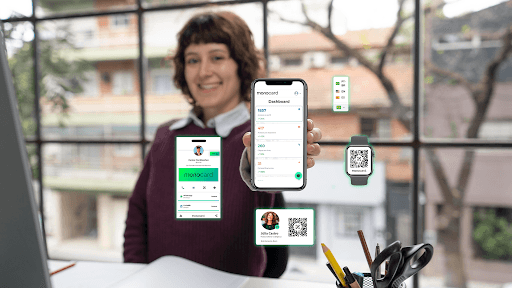
The different types of QR Code allow for exploring a variety of applications, from personalization to increased security. At Monocard, digital business cards transform these codes into powerful tools to engage customers, capture leads, and reinforce brand identity.
Want to know how to take your digital prospecting to another level? Create your digital business card with QR Code and experience all the features of our system.
Create your digital card with QR Code for free.