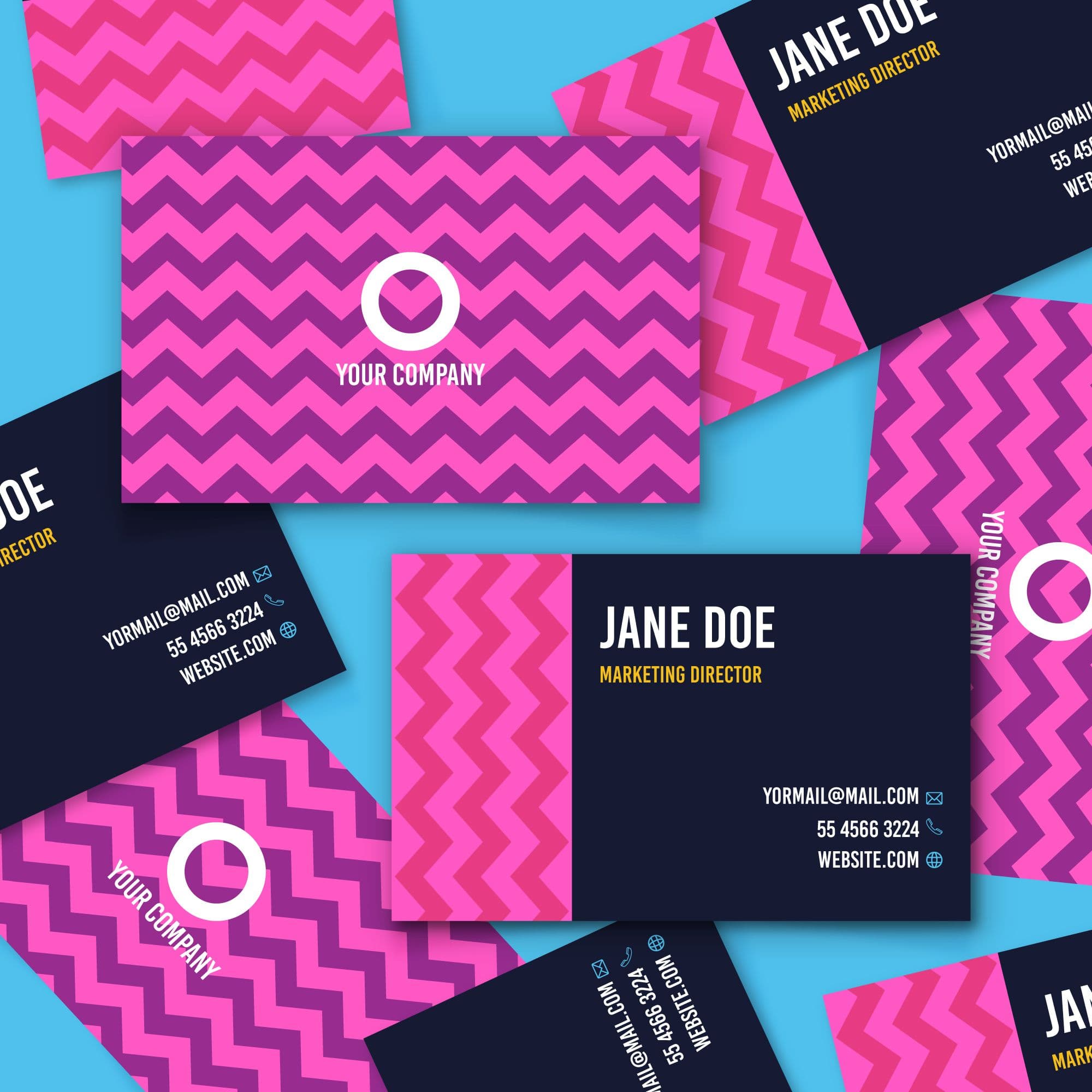
In today's business world, business cards remain an essential tool for establishing and maintaining professional connections.
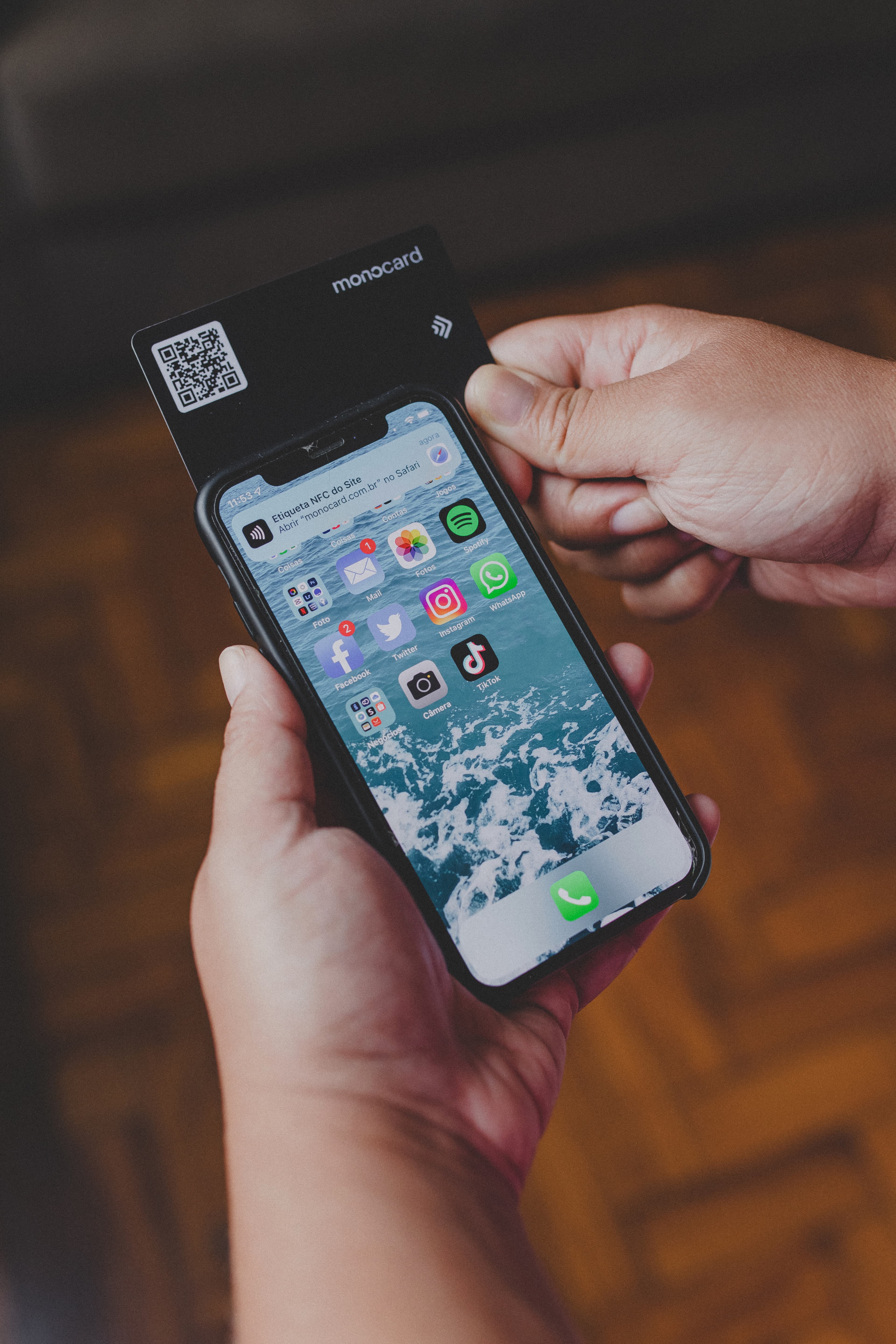
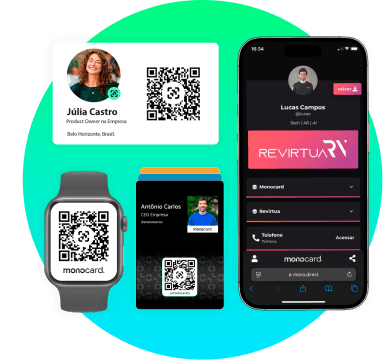
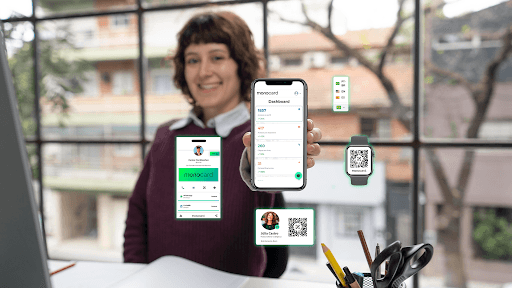
With the rise of digital solutions, such as digital business cards, sharing your professional information has become more strategic and effective.
But, after all, how many business cards should you print? Let's explore the variables that influence this decision and how to calculate the ideal quantity to meet your networking needs.
The Importance of Business Cards in Networking
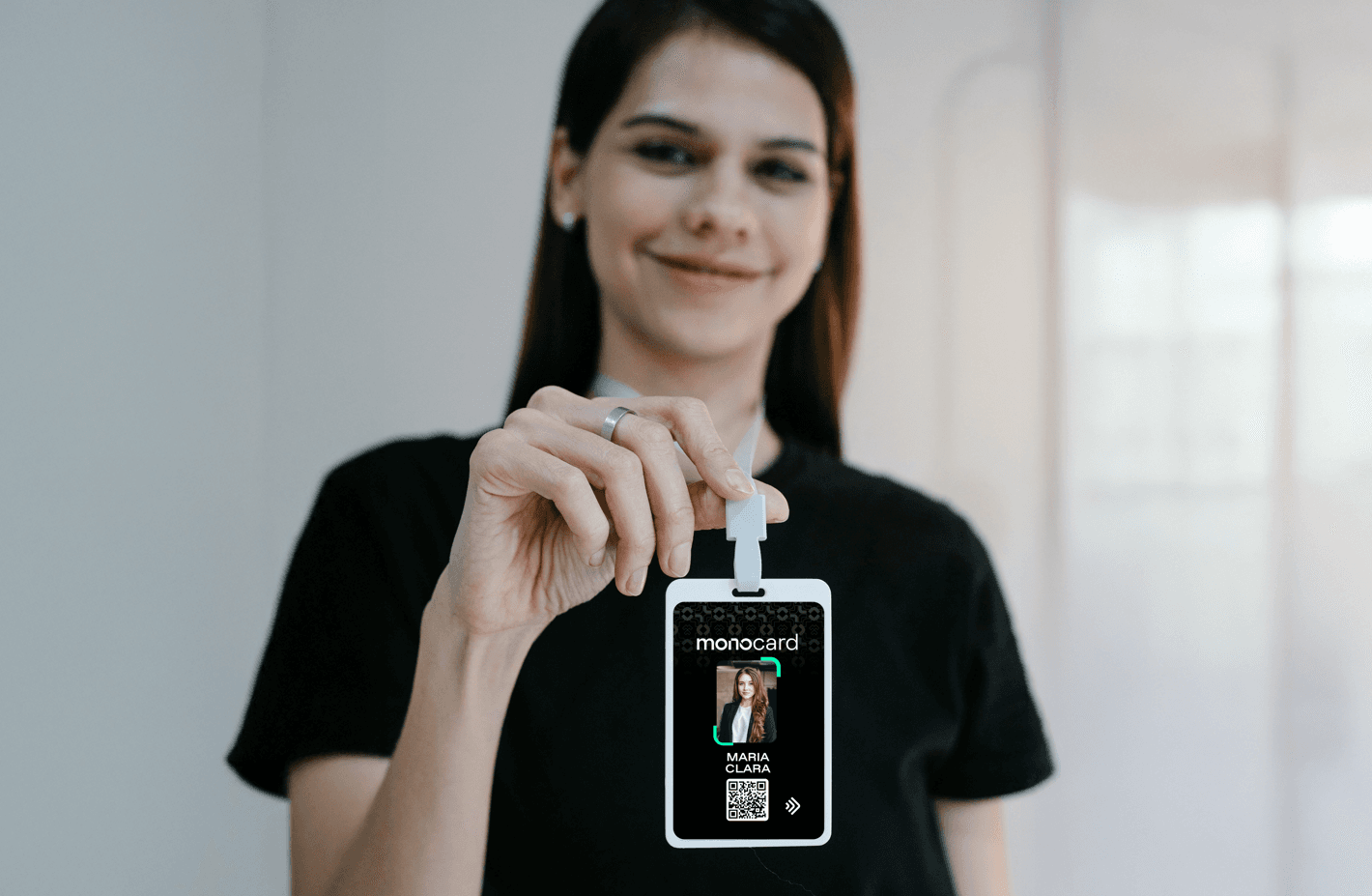
Even in the digital age, personalized business cards still play a crucial role in building professional networks. They not only serve to share contact information but also reflect your personal brand and present your professional persona.
While physical cards have a short lifespan and are quickly discarded, digital business cards are a more lasting solution. Moreover, you don't need to spend time and money printing new ones every time you need to change some contact information. All you need is to make changes in a few minutes, and the new information will be live.
Factors to Consider When Determining the Quantity of Business Cards to Order
1. Frequency and Volume of Networking
The number of cards you should order largely depends on how often you attend networking events. If you are a professional who attends several events per month, such as conferences, meetings, and trade shows, you will need more cards. A simple calculation can help you understand your annual needs.
Example: If you attend three monthly events and distribute 20 cards per event, you will need 720 business cards per year.
2. Industry and Position
Your industry and role also impact the number of business cards needed. Sales professionals, for example, need more cards due to greater interaction with potential clients. In areas like marketing, real estate, or consulting, card exchange is constant.
Example: In areas with many interactions, like sales, professionals may need more cards. This is different from areas with less direct contact with the public.
3. Special Events and Campaigns
Large-scale events, such as fairs or conferences, require careful planning regarding business card printing. For an event with many participants, it's good to calculate the number of contacts you want to make. Then, approximate the quantity to the number you estimated.
Example: At a fair with 500 participants, if you want to connect with 10%, print 55 cards.
4. Regular Updates and Flexibility with Digital Cards
One of the greatest advantages of digital business cards is the ability to make instant updates. If you have new contact details, a promotion, or a title change, you can make these updates without needing to print the cards. This means you can place smaller and more frequent orders.
5. Team Size and Distribution
The number of people who will use business cards also affects the quantity to be ordered. Additionally, how each employee uses the cards is another important factor to consider.
This is because there are professionals who distribute more cards and others who use the material more strategically. In other words, before ordering more cards, understand the profile of each employee.
How to Calculate the Ideal Quantity of Business Cards
Now that you know the factors that influence the number of cards you need, it's time to calculate the ideal quantity. Just follow these steps:
Step 1: Estimate Monthly Usage
Start by calculating how many cards you distribute, on average, per month. Consider regular meetings, events, and other spontaneous networking opportunities.
Example: If you distribute 20 cards per month, your annual usage will be 240 cards.
Step 2: Include Special Events
Add to your annual total the number of cards needed for special events, such as large conferences and trade shows.
Example: If you need 100 additional cards for an annual fair, add this number to your annual estimate.
Step 3: Add a Buffer
Always add a buffer of 10-20% to cover unexpected needs or last-minute events.
Example: If the annual total is 340 cards, add a 15% buffer (51 cards), resulting in 391 cards. Round up to 400 cards as the ideal quantity.
Digital Cards: An Efficient Alternative
Digital business cards have more benefits than traditional ones. Some examples are: the lack of printing costs and the ability to update information in real-time.
Moreover, since you don't need constant reprints, you can order fewer cards, focusing on the quality of information and personalization.
Advantages of Digital Cards:
- Cost-effective: Eliminate printing, reprinting, and distribution costs.
- Sustainable: Reduce paper waste and environmental footprint.
- Interactive: Add links to social media profiles, websites, and personalized videos, increasing interaction with your audience.
- Ease of sharing: Digital cards can be easily shared via email, messages, and social media, expanding your reach.
When to Reorder Your Business Cards
Maintaining an adequate stock of cards is essential to always be prepared for new networking opportunities. Here are some signs that it's time to reorder:
- Low stock: When your stock falls below 20-30 cards, it's time to order more.
- Changes in contact information: If there are changes in your phone number, email, or other important data, place a new order.
- Rebranding or position change: If your company has rebranded or you have changed positions, your business cards need to be updated.
Conclusion
Knowing how many business cards to print depends on several factors. This includes: the frequency of events, the area you work in, and the flexibility you need for contact changes.
With digital cards, you can simplify the approach, save money, and reduce environmental impact while maintaining an effective networking strategy.
Assess your needs and adjust how many cards you need based on your goals. This will ensure you are always ready to create new connections and expand your professional circle.
How about creating a digital business card for your company for free? Anyone can do it. Create your profile on Monocard and try it now.
I want to save with a free digital card.