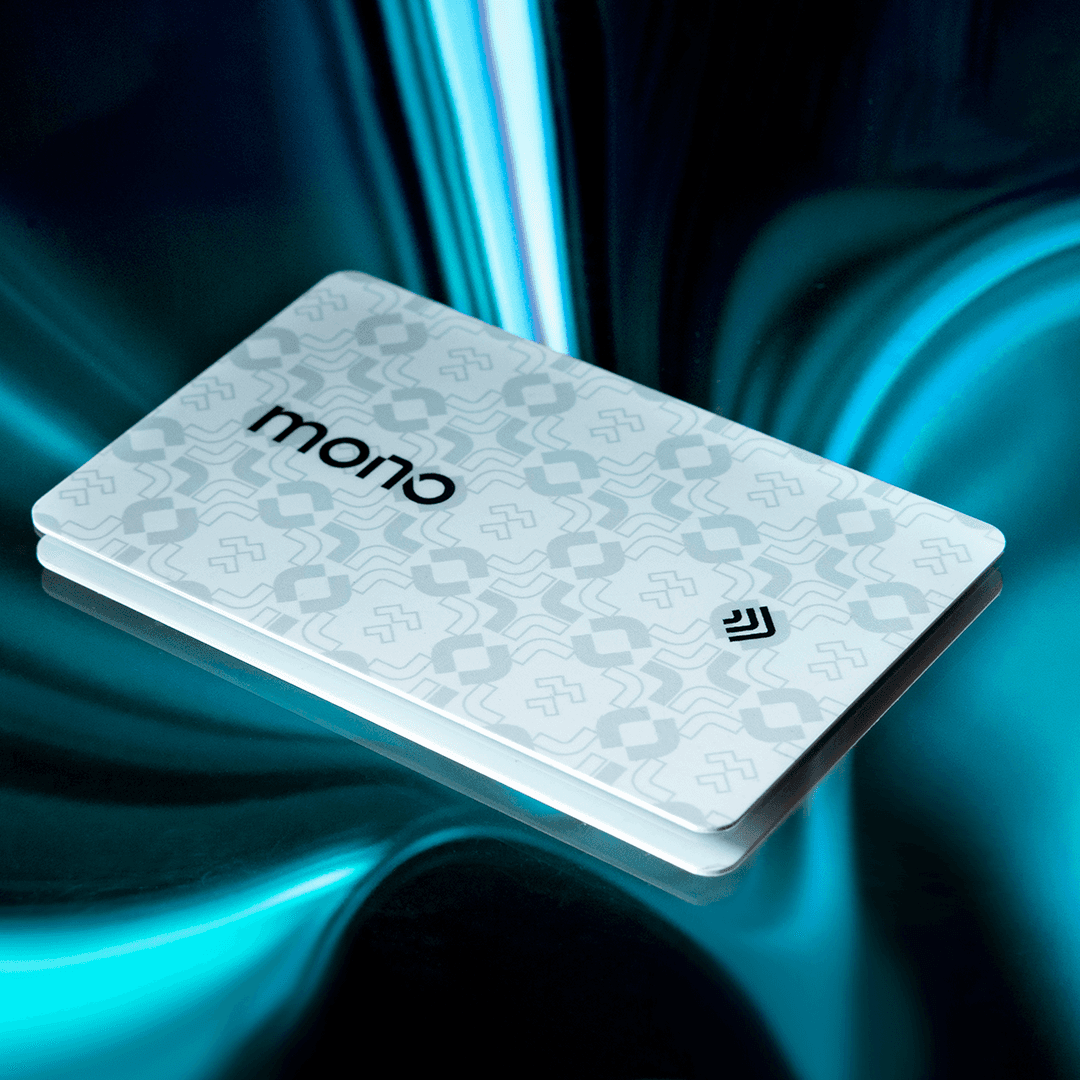
Business cards have been an essential tool for professionals and companies to connect, share information, and establish business relationships. However, with digital evolution, the way these cards are presented has also undergone significant changes.
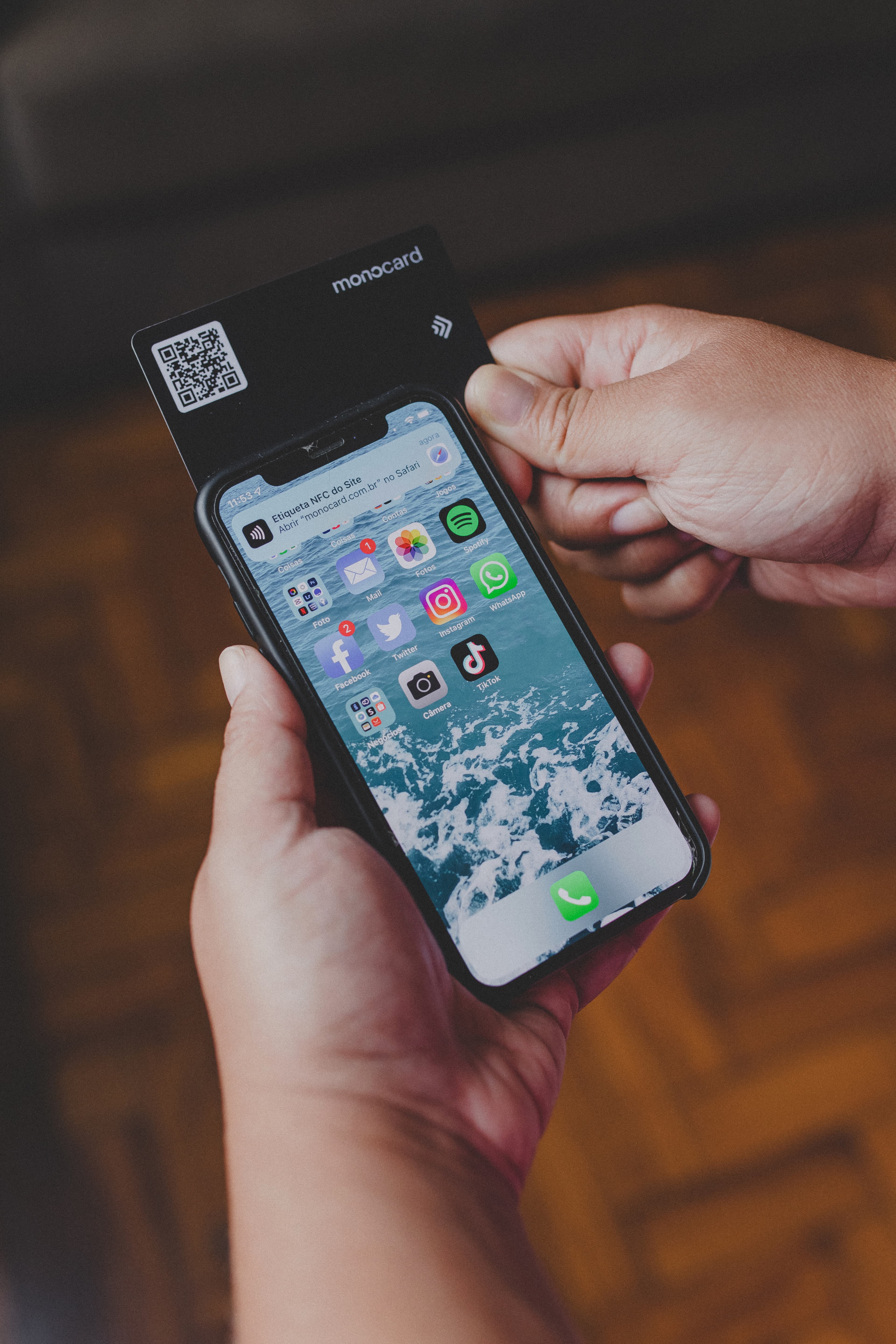
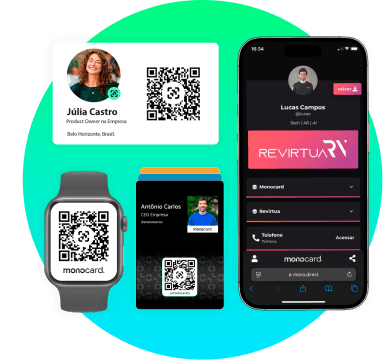
Instead of a piece of paper, many professionals are using virtual business cards. These offer several advantages, such as customization and ease of sharing. Moreover, anyone can make one.
Even so, the size and design of the digital business card are crucial to ensure a good impression.
In this article, we will explore the standard dimensions and variations of business cards, focusing on best practices for digital cards.
Standard Business Card Size
The traditional size of a printed business card is 90 x 50 mm. This format is widely accepted and used in the international market, with slight variations depending on the region. When we talk about a virtual business card, the dimensions are more flexible. They will adapt to the interface of smartphones and other mobile devices.
- Standard size (90 x 50 mm): This format is the most used option in virtual business card design. If the intention is to keep the physical and digital versions consistent, this is the way to go.
The format can vary from country to country, but this is the standard in Brazil and other parts of the world as well.
- Vertical format size: Some companies prefer a vertical design, with 50 x 90 mm. This offers a new visual approach for digital business cards.
Different Dimensions for Your Business Card: A Way to Stand Out with Creative Cards
Although the traditional size of 90 x 50 mm is universally accepted, there are variations. They have been adopted over time for visual purposes or to better fit the identity of a brand or professional. You can use this to your advantage to create cards different from the majority that will surely attract attention and interest. Check out some variations below:
Square Business Card (50 x 50 mm or 60 x 60 mm)
Square business cards have become a popular option for companies and professionals looking for something different and more modern. They stand out due to their shape and can be easily differentiated from traditional rectangular ones. This variation deviates from the standard but still offers enough space to include important information.
Oversized Business Cards (A5, A6, or larger):
Some brands and professionals in creative fields, such as designers and artists, opt for larger business cards, like the A5 or A6 format. These cards have more space to include graphic elements, such as illustrations or portfolio photos, creating a richer visual experience. This approach can be bold but is effective for those looking to make a strong impression.
Minimalist Business Cards (Microcards, 35 x 20 mm)
For those who want something more discreet and focused, a business card smaller than the traditional one can also be an interesting option. Microcards, about 35 x 20 mm, offer a cleaner and simplified approach, yet still allow for the transmission of essential information.
The Historical Evolution of Business Card Sizes
Business cards have a long history, and their dimensions have evolved over time to adapt to social and commercial needs. Initially, in the 17th century, in Europe, business cards were considered a sign of status and were quite ornate. These early business cards varied in size and shape, often being larger and more detailed, with rich adornments.
18th and 19th Century
The dimensions of business cards began to establish themselves in Europe, with an approximate size of 85 x 55 mm. This size was adopted by many countries, but small variations were common depending on local culture.
20th Century
With real-time information exchange and globalization, the size of 90 x 50 mm became the most popular. This standard is what we know today. Practicality and ease of handling became essential, making this size ideal for most situations.
21st Century
The transition to digital changed how cards are created and shared. Although physical size is still relevant in many contexts, digital cards can now vary much more. This allows them to adapt to devices and the multimedia content they present.
Digital Business Cards and User Experience
When creating a digital business card, it is crucial to consider the screen of the device on which it will be viewed. Smartphones, for example, have different screen sizes, and it is important to ensure that the card fits well on these devices. Choose a dimension that is readable and attractive on small screens. It also needs to be easy to share via email, apps, SMS, and even QR code.
Adaptable Proportions
Choose a format that adapts to mobile, computer, and tablet screens. This ensures that the digital business card fits correctly on different devices. With this, you create a good user experience, where they will have no trouble viewing the information.
Variations and Customizations in Digital Design: An Infinite World of Possibilities
Although the standard size is important, the virtual business card offers more possibilities to customize your card as you wish. Some examples of this are: using clickable links, videos, images, and other interactive resources. The ideal dimensions for a digital business card can vary depending on the features you want to include.
- Interactive Designs: Many digital cards include links to social networks, websites, and even CRM integration to capture leads. These elements require a layout that makes good use of the available space.
- Adding Multimedia: When including videos or images, the size of your card can be adjusted. This ensures that these elements do not overload the interface and cause slowness or distortion in the virtual card.
Conclusion
The choice of your digital business card size should be guided by marketing strategy and user experience. If your goal is to capture leads and promote a strong digital presence, the card needs to be visually appealing, interactive, and easy to share.
As a specialist in digital cards, Monocard helps you create personalized profiles with flexible design, highlighting your brand in the crowd. All this while remaining simple and fluid. Your contacts will never have trouble accessing your information.
You can say goodbye to printing costs and to your business cards that end up forgotten at the bottom of drawers.
What do you think about modernizing and simplifying the way your employees share contact information? Access the link below and create your company's free business card. It's free!
Create a free business card